A walk-in shower is often the safer pick for aging in place because you can step in with less lifting, add grab bars, and use a slip resistant floor. A tub can still work if you love soaking, but it needs the right add-ons, like sturdy grab bars, a strong seat, and an easy-to-reach faucet. Your best choice depends on balance, knee and hip comfort, and how you use the bathroom day to day.
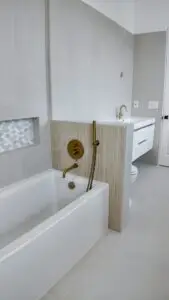
Why this choice matters when you plan to stay in your home
Bathrooms are small, wet, and busy. That mix can turn a simple shower into a slip hazard fast. If you plan to stay in your home as you age, the goal is simple. Keep comfort high and risk low.
Think of your bathroom like a boat deck. When it is dry, it feels fine. When water hits the floor, it can get slick in seconds. The right shower or tub setup helps you keep your footing.
A lot of guys tell us the same thing. “I can still handle it,” then they admit the tub wall is getting taller every year. That is not weakness, that is math. Bodies change. Homes should keep up. If you are planning broader updates, see Home Remodeling and Contact Us.
Walk-in shower basics, what it is and what it is not
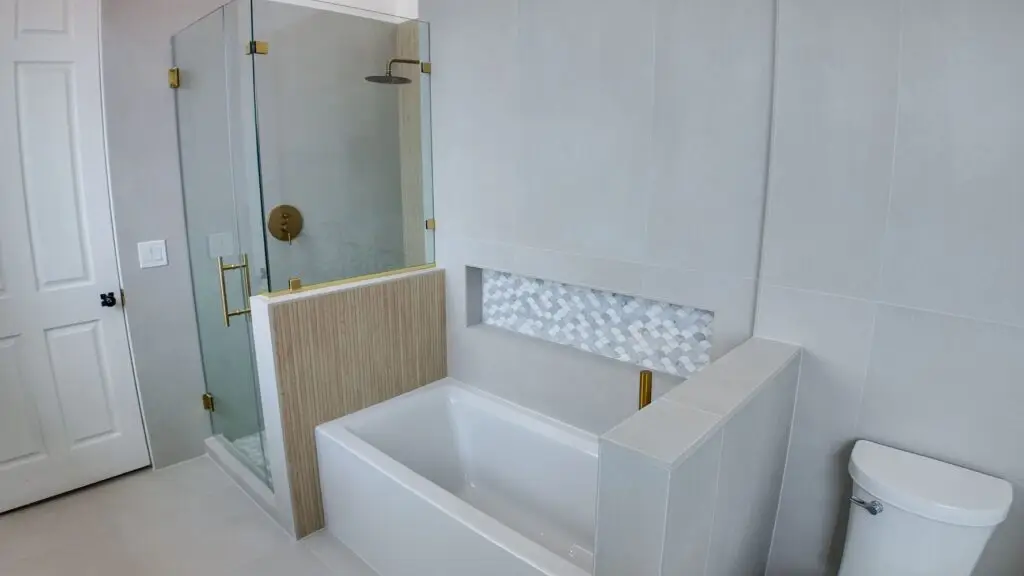
A walk-in shower is a shower you can enter without climbing over a tall tub wall. Many have a low curb, or no curb at all. You can stand, sit, or do a mix of both with a built-in bench or a fold-down seat.
A walk-in shower is not always “no step.” Some have a small lip to help keep water in. The goal is still the same, less lifting and more control. For design planning and layout help, you can also review Bathroom Design.
Soaking tub basics, what it is and what it is not
A soaking tub is a tub made for sitting and relaxing. It can be a standard tub or a deeper style. People love them for sore muscles, stress, and that quiet time when the phone stops yelling at you.
A soaking tub is not automatically safe. The tub wall is still something you must step over. Getting down into the tub and back up can be the tricky part.
Safety first, the real risks in showers and tubs
Slips happen most when people are moving. That means stepping in, stepping out, turning around, or reaching for a towel.
Here are common risk points:
- Wet tile that feels like an ice rink in socks
- A high step, like a tub wall, when your leg strength is not what it used to be
- Reaching for controls that are too far away
- Poor lighting, shadows hide water on the floor
- Loose bath mats that slide at the worst time
A short safety note. If you have dizziness, numb feet, or a history of falls, talk with a medical pro too. Your remodel can add safety, but your health plan matters. For general home fall prevention information, you can review CDC fall prevention resources.
Walk-in shower pros for aging in place
Walk-in showers can be like a good pickup truck. Easy to get in, easy to use, and ready for upgrades.
Pros
- Easier entry with a low curb or no curb
- Room for a stable seat or bench
- Grab bars fit well on shower walls
- Handheld showerheads make washing safer while seated
- Less twisting than climbing into a tub
- Works well for many mobility aids
A lot of people also like the clean look and the fact that it feels open. You do not feel boxed in.
Walk-in shower cons to think about
A walk-in shower is not perfect for every home or person.
Cons
- Water control takes planning, you need the right slope and drain plan
- Some layouts need a bigger footprint than a tub
- If you love baths, you will miss them
- Glass can show water spots fast in humid places
If you go curbless, the build details matter. The floor needs the right pitch so water goes to the drain, not toward your vanity like it is trying to escape.
Soaking tub pros for aging in place
A tub can still be a good fit if soaking is part of your routine. Some people use it to loosen stiff joints. Others just want peace and quiet.
Pros
- Warm soaks can feel great after work or workouts
- A tub can be useful for kids, pets, and rinsing big items
- Many homes already have one, so the layout may be familiar
- Some tub setups can pair with a shower and a strong seat
If you are the type who runs hot, a warm soak can be your off switch.
Soaking tub cons to think about
The biggest issue is entry and exit. That is where most people feel unsteady.
Cons
- Stepping over the tub wall can strain hips and knees
- Standing up from a low tub bottom takes leg power
- Hard to add enough safe grip if walls are not reinforced
- More bending and twisting to reach faucets or shampoo
- A wet tub floor can get slick fast
If you have ever tried to stand up in a canoe, you get the idea. It can feel wobbly.
Safety add-ons that help both showers and tubs
Safety is not one product. It is a set of smart choices that work together.
Grab bars that actually help
Grab bars should be placed where your hand goes naturally. Not where it “looks nice.”
Good spots often include:
- At the entry point
- On the long wall for balance
- Near the seat or bench
- Near the tub front edge, for getting in and out
Tip: towel bars are not grab bars. They can pull out of the wall when you need them most.
Slip resistant floors that feel good on bare feet
Look for flooring with real grip. Many slip resistant tiles are made for wet areas. You can also use small mosaic tiles on shower floors. They add more grout lines, and that can add traction. If you are comparing surfaces and installation options, see Tile Flooring Installation.
Seating, built-in bench or fold-down seat
Sitting while you wash lowers the chance of a fall. It also makes it easier to shave, wash feet, and take your time.
A built-in bench is solid and always there. A fold-down seat saves space in smaller showers.
Handheld showerhead with an easy slider bar
This is a simple upgrade with big payoff. You can rinse while seated. You can also aim water where it needs to go, instead of doing the shower dance.
Better lighting and a fan that keeps things dry
Good light helps you spot water on the floor. A strong bathroom fan helps cut moisture, which helps fight mildew and slippery film.
Walk-in shower safety add-ons that make a big difference
If you choose a walk-in shower, these add-ons are worth a hard look.
- Curbless or low curb entry, based on your comfort and water control needs
- Linear drain options can help with floor slope planning
- Textured shower pan or small tile floor for grip
- Bench plus handheld showerhead
- Grab bars tied into blocking inside the wall
- Shower controls placed where you can reach them from the entry and from the seat
A small detail that matters. Put controls where you can turn on water without stepping fully into the spray. No one likes a cold shock at 6 a.m.
Tub safety add-ons that can reduce risk
If you want to keep a tub, you can still make it safer. The right setup can lower the “climb and pray” feeling.
- Tub grab bars placed for entry and standing
- Non slip tub surface or a secure traction treatment
- A tub seat or transfer bench if space allows
- A handheld showerhead to rinse while seated
- Anti scald valve for water temp control
- A wide, stable bath mat outside the tub, with a grippy backing
If your tub is used mainly as a shower, you might also think about a tub with a lower step. Some options exist, but the layout and structure matter. For fixture swap-outs commonly involved in bathroom updates, you can review Bathtub Installation and Faucet Installation.
How Miami Beach weather affects showers, tubs, and upkeep
Miami Beach humidity can be stubborn. Warm air holds moisture, and bathrooms can stay damp longer after a shower. That dampness can lead to mildew, soap scum, and slippery buildup on floors.
Rainy season also matters. More wet shoes, more sand, more grit. That stuff ends up in bathrooms and acts like sandpaper on some surfaces, and like skid beads on others.
Simple moves that help in humid climates:
- Use a strong fan and run it after showers
- Wipe down glass and tile to cut water spots and film
- Pick grout and caulk that resist moisture and staining
- Choose metal finishes that resist corrosion, salty air can be rough near the coast
What we usually see in Miami Beach, FL homes
In Miami Beach, we often see bathrooms in condos and older homes where space is tight and water management is key. Along Collins Avenue and in areas near Normandy Isles, layouts often have a tub shoved into a small alcove, plus older tile and aging grout lines.
Common patterns we run into:
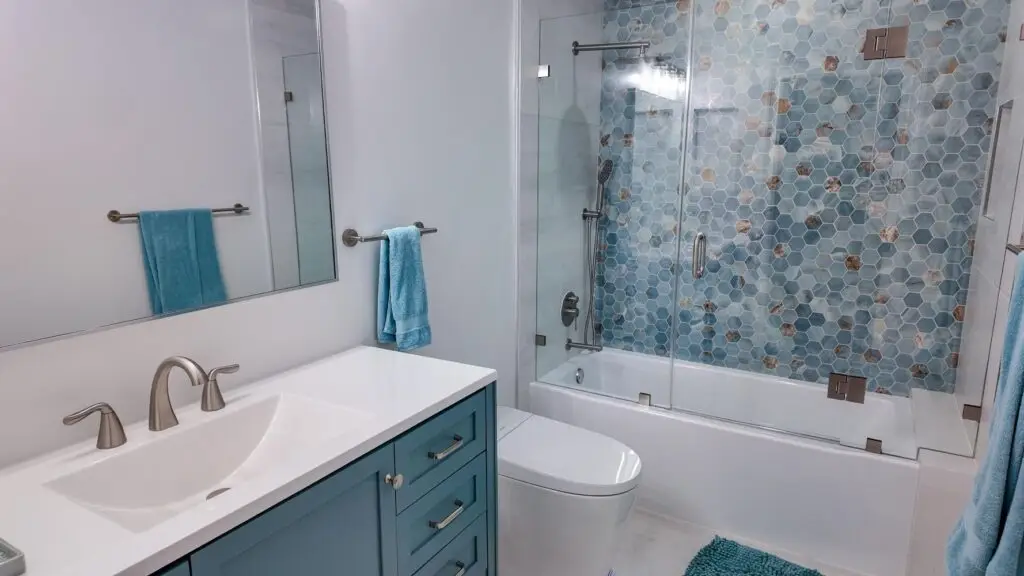
- Tub shower combos with a tall tub wall and slick tile
- Small bathrooms with limited turning space
- Older fans that do not move enough air
- Water stains around the shower edge from years of splash and humidity
These are not deal breakers. They just guide what to build and which materials to pick.
Picking the right option based on how you live
Ask yourself a few plain questions. No jargon, no guessing.
Choose a walk-in shower if
- Stepping over the tub wall feels harder than it used to
- You want the option to sit while washing
- You want more open space and easier cleaning
- You want a setup that can work long term
Choose a tub if
- You take baths often and you want to keep that routine
- You have no trouble stepping in and standing up
- You need a tub for kids or pets
- You have space and you can add the right safety parts
A quick bit of real talk. If you never take baths now, you probably will not start later. Many tubs turn into laundry holders. A shower you use daily usually wins the value battle in real life.
Quick troubleshooting steps to guide your choice
Use these “if this, then that” steps to narrow it down.
- If stepping over the tub hurts your knee or hip, then a low curb or curbless shower may fit better.
- If you feel unsteady when you close your eyes to rinse shampoo, then add a seat and grab bars, shower or tub.
- If you have a small bathroom and water splashes out now, then plan for a shower door or fixed glass panel.
- If you hate cleaning grout, then choose larger wall tiles and a simple niche plan.
- If you need to wash a child or pet often, then keeping a tub might be handy, or add a handheld sprayer in a shower.
- If the bathroom stays damp and musty, then upgrade the fan and pick moisture resistant finishes.
Common myths and the facts
Myth: A walk-in shower is always safer.
Fact: It is safer when it has grip, grab bars, good drainage, and a seat if needed.
Myth: Grab bars make a bathroom look like a clinic.
Fact: Many grab bars look like modern towel bars, but they are built to hold weight.
Myth: A tub is fine if you add a bath mat.
Fact: Mats help, but the big risk is stepping over the wall and standing up from low height.
Myth: Glass doors stop all water.
Fact: They help a lot, but only if the shower is built with the right slope, seals, and layout.
Layout and build details that matter more than people think
Small choices can change daily comfort.
Entry width and turning space
Make sure the entry feels easy, not like squeezing past a toolbox. This matters in condos where walls and doors are close.
Storage that you can reach
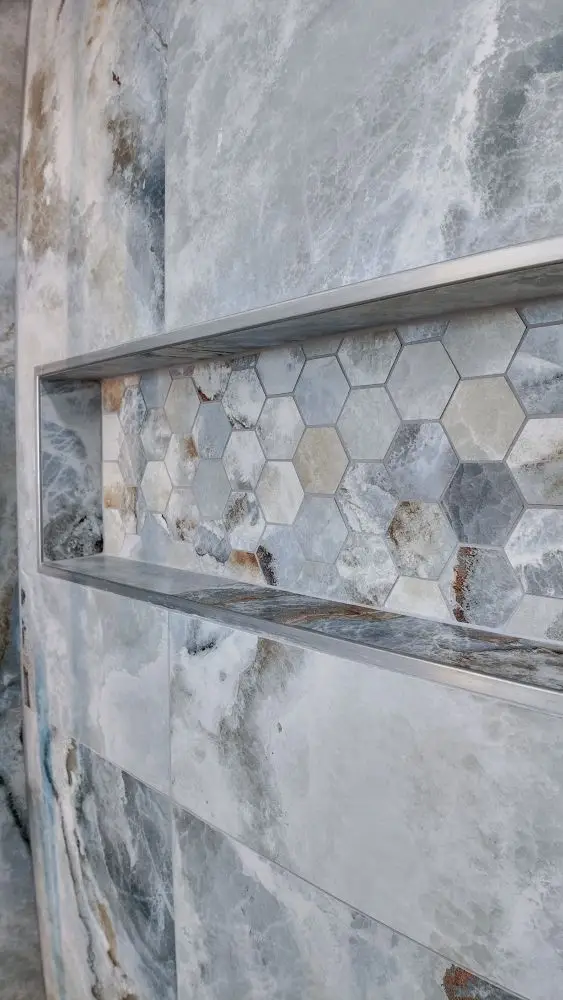
Reaching high shelves while standing on wet tile is a bad combo. Put niches and shelves at chest height. Keep it simple.
Drain and slope
A shower floor must send water to the drain. If water sits, it can leave a slippery film. Good slope is not flashy, but it is a big deal.
Wall support for grab bars
Grab bars need solid backing in the wall. If you add them without proper support, they may not hold when you need them.
Care schedule to keep it safe and clean
A clean bathroom is not just about looks. Buildup can get slick.
Weekly
- Rinse and wipe wet areas after heavy use
- Clean the shower floor and tub floor to remove soap film
- Wash bath mats and let them dry fully
Monthly
- Check caulk lines and grout for gaps or dark spots
- Clean the fan cover so airflow stays strong
- Inspect grab bars for any wiggle, they should feel rock solid
Yearly
- Replace worn caulk where needed
- Check for slow drains and clear clogs early
- Review lighting, swap bulbs, and make sure switches work well
- Have a pro check any signs of water damage around the shower edge
FAQs
Is a walk-in shower better than a tub for aging in place?
Often yes, since stepping in is easier and seating and grab bars fit well. The safest choice depends on your balance, strength, and bathroom size.
What is the safest shower floor material?
Look for slip resistant tile or a textured shower pan. Small tiles can add grip because of extra grout lines.
Do I need grab bars if I feel fine now?
Many people feel fine until a slick day. Grab bars are like a seat belt. You hope you never need them, but you like having them.
Can I keep my tub and still make it safer?
Yes. Add grab bars with proper wall support, use a non slip surface, add better lighting, and use a stable seat if needed.
What shower features help with knee pain?
A low curb or curbless entry helps, plus a bench and handheld showerhead so you can sit and move less.
Does humidity in Miami Beach affect bathroom safety?
Yes. Humidity can make bathrooms stay damp longer, which can lead to mildew and slick film. Good ventilation and easy-clean surfaces help a lot. For a general overview of Miami Beach, see Miami Beach, Florida.
How long does a bathroom safety upgrade take?
It depends on the scope, layout, and materials. A pro can review your space and map out a clear plan before work begins.
Can a walk-in shower work in a small condo bathroom?
Often yes, with smart layout choices like a fixed glass panel, a well-placed drain, and storage that does not crowd the entry.
If you want help choosing a walk-in shower or tub setup that supports aging in place in Miami Beach, Mia Remodeling Contractors can assess your bathroom layout, suggest practical safety add-ons, and complete the remodel with comfort and easy upkeep in mind. Call (954) 355-1520 or visit https://miaremodelingcontractors.com/ to schedule a visit. You can also reach out through Contact Us and explore related planning help with Bathroom Design.