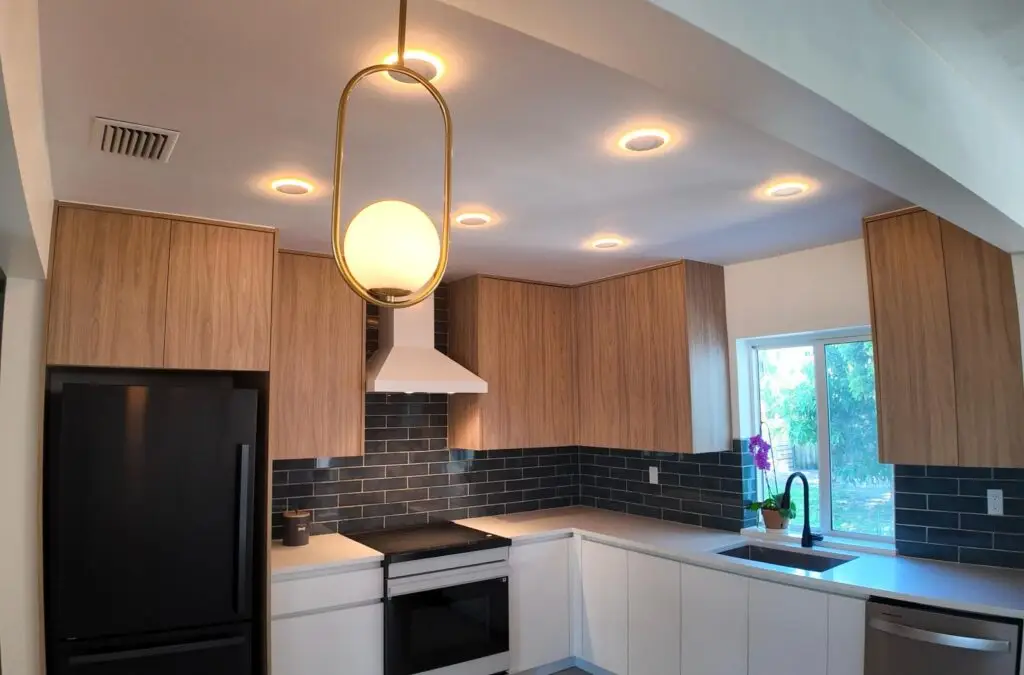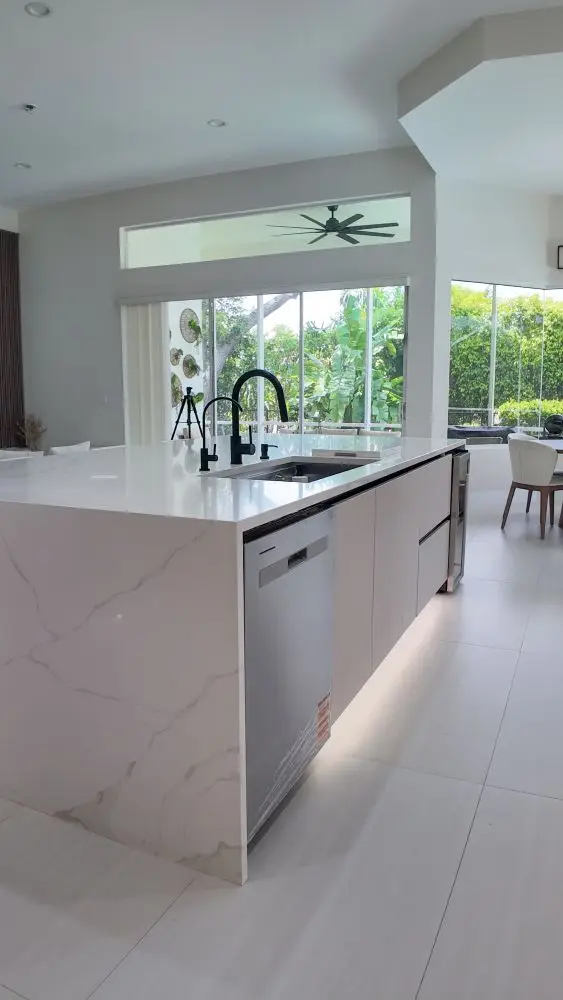
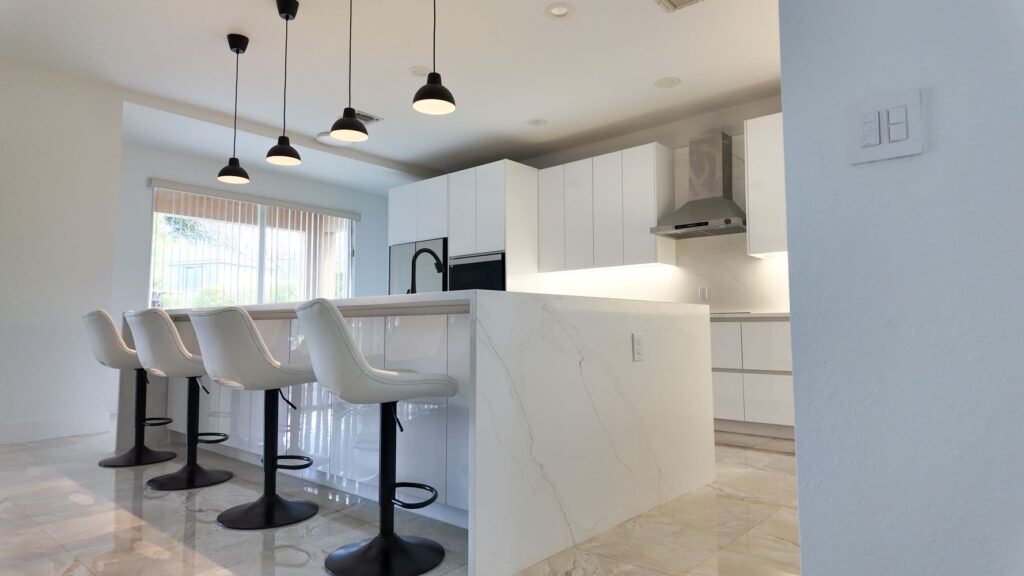
Picking between an open-concept kitchen and a galley kitchen comes down to how you move, cook, and hang out at home. Open-concept plans are great for chatting, watching the game, and keeping an eye on kids while you cook. Galley kitchens are great for fast cooking and less wandering, since everything sits close together. Your best choice depends on traffic flow, work zones, and how you want seating to work.
Start with how you live, not how it looks
Let’s talk like neighbors for a second.
If you cook most nights and like to move quick, a galley can feel like a “chef lane,” where every step counts. If your place is the hangout spot, open-concept may feel like taking the walls down so the room can breathe.
Here is a simple gut check:
- You cook to relax and like company, open-concept often wins.
- You cook to get food on plates fast, galley often wins.
- You hate clutter, galley can hide mess better.
- You hate feeling boxed in, open-concept feels freer.
A friend once told me, “I do not need a bigger kitchen. I need fewer people in my way.” That sentence alone can pick your layout.
If you want help aligning layout choices to a practical remodel plan, see Kitchen Design and Home Remodeling.
Kitchen traffic flow, the make or break detail
Traffic flow is just the path people take through the kitchen. Bad traffic flow turns cooking into a contact sport.
Open-concept traffic flow
Open kitchens often sit between living and dining areas. That can be great. It can also mean people cut through your prep space like it is a shortcut to the couch.
Watch for these common trouble spots:
- The fridge sits right on a walkway, so everyone blocks it.
- The island becomes a “parking lot” where guests lean and trap the cook.
- The sink is in the island, so dirty dishes face the room.
Fixes that help:
- Keep a clear main walkway that does not cross the cook zone.
- Place the fridge on the edge of the kitchen, not in the middle of the travel path.
- Plan a landing spot next to the fridge and oven, even if it is a small counter run.
Related planning details often connect with storage and surfaces, such as Custom Kitchen Cabinets and Countertop Fabrication.
Galley traffic flow
A galley is two runs of cabinets facing each other, or a single run with a tight corridor. Traffic is simple because the kitchen is a lane, not a crossroads.
Good news:
- People rarely pass through a galley unless they need to.
- You can limit the number of “helpers,” which helps sanity.
Watch-outs:
- If the aisle is too tight, two people bump hips all day.
- If doors open into the aisle, you get a cabinet door traffic jam.
Fixes that help:
- Make sure appliance doors can open without blocking the whole lane.
- Use pull-out drawers more than big swing doors when space is tight.
- Keep the aisle clear of stools and trash cans.
For layout updates that keep cabinetry efficient, explore Kitchen Cabinet Refacing and Custom Cabinetry.
Appliance zones, set up the kitchen like a smart workstation
Forget the old “triangle” talk for a moment. It helps, but zones are easier to plan. Zones are the mini areas where tasks happen.
Most kitchens need these zones:
- Storage zone, fridge, pantry, dry goods
- Prep zone, clear counter space near sink
- Cook zone, range or cooktop, tools, spices
- Clean zone, sink, dishwasher, trash
- Serve zone, plates, glasses, landing space
Zones in an open-concept kitchen
Open kitchens can spread out. That feels nice, but it can also create long walks if you are not careful.
Tips that work:
- Put prep space between sink and cooktop. Short steps. Less drip trail.
- Keep trash near prep and sink. You use it more than you think.
- Keep the dishwasher close to where dishes live, not just close to the sink.
Small but real detail: If the microwave is across the room, you will notice. Every day.
When zones depend on storage and landing space, choices like Built-In Cabinetry and Tile Backsplash Installation can support the workflow.
Zones in a galley kitchen
A galley shines with zones because the runs can split tasks.
Two common setups:
- Sink and dishwasher on one side, range on the other
- Sink centered, fridge near entry, range near the far end
Tips that work:
- Keep prep space near the sink, not on the far side of the range.
- If two people cook, set zones so you do not face each other in the same spot.
- Put the fridge at the end of the galley, so snack trips do not block cooking.
To match surfaces and durability to daily use, consider Tile Flooring Installation and Vinyl Flooring Installation.
Seating, where will people land?
Seating sounds simple until you try to place it. Then it becomes a puzzle.
Seating in open-concept kitchens
Open-concept makes seating easier. Islands, peninsulas, and nearby dining tables all work.
Common seating options:
- Island seating for quick meals and watching the cook
- Peninsula seating if the room is narrower
- A small café table near the kitchen if you want less counter seating
Tips so it works in real life:
- Leave enough room behind stools so people can slide out without bumping the cook.
- Do not place seating where it blocks the fridge path.
- If you host, add a spot for drinks away from the cook zone, so guests do not crowd the stove.
A quick line you will say if it is planned right: “Grab a seat, you are not in the way.”
Seating plans often pair well with storage and serving zones, such as Countertop Fabrication and Custom Kitchen Cabinets.
Seating in galley kitchens
Classic galley kitchens often have little or no seating inside the kitchen. That is not a deal breaker. It just means seating usually sits outside the galley.
Options that still work:
- A small table just beyond the galley entry
- A pass-through or half wall with a narrow counter ledge
- A slim pull-out counter for quick coffee, if space allows
The goal is simple, give people a place to sit that does not turn the aisle into a human cork.
If you are adjusting the footprint while keeping function, Home Remodeling and Kitchen Design can support the planning.
Noise, smells, and sight lines, the stuff you notice later
These points can surprise people after the remodel.
Open-concept
Pros:
- You can talk to family and guests while cooking.
- Light can travel through the space.
Cons:
- Noise travels too. Blender, dishwasher, and range hood sound louder.
- Cooking smells spread faster.
- Mess is more visible, even the “I will clean later” pile.
Helpful moves:
- Pick a strong, quiet range hood plan.
- Build in smart storage so counters stay clear.
- Put the sink where it is not the first thing people see.
For broader context on ventilation concepts, see Range hood (Wikipedia).
Galley
Pros:
- Noise stays more contained.
- Mess stays more contained too.
Cons:
- If lighting is weak, it can feel closed in.
- If ventilation is weak, smells can linger in the lane.
Helpful moves:
- Add bright task lighting under cabinets.
- Make sure airflow is planned well, since the space is tighter.
Miami Beach, FL realities, condos, older homes, and tight footprints
Miami Beach homes and condos often have limits that shape your layout choices. In many condo buildings near Collins Avenue or along West Avenue, kitchens sit in compact footprints with set plumbing lines. Moving a sink or range can be harder when you share walls and systems with neighbors.
What we usually see in Miami Beach, FL:
- Condo kitchens that lean galley or single-wall, because space is tight.
- A push for open-concept where owners want the kitchen to connect to living space and views.
- Limited space for big islands, so peninsulas do a lot of work.
- Building rules that affect work hours, noise, and material delivery.
If you live in a condo, it helps to plan around what can stay put, like drains and vents, while still improving flow and storage.
For permit and building guidance, review City of Miami Beach Building Department.
Humidity and salt air, why materials and airflow matter here
Miami Beach humidity can be tough on cabinets, hardware, and paint. Salt in the air also adds wear, mainly near windows and exterior doors.
How layout connects to weather:
- Open-concept kitchens can spread cooking moisture farther into nearby rooms.
- Galley kitchens can trap moisture if airflow is weak.
Helpful habits and plan choices:
- Use good ventilation while cooking, even for “small” meals.
- Wipe down cabinet fronts more often, grease plus humidity turns into sticky film.
- Pick finishes and hardware that handle moisture better, then keep them clean.
This is not about panic. It is like sunscreen. A little prevention saves you from regret.
Material choices can connect with finish work like Interior Painting and Window Trim & Capping.
Safety notes that matter, short and simple
Kitchens should be safe, not scary.
- Keep main walkways clear so you are not carrying hot pans through a crowd.
- Do not place seating so close to the cooktop that elbows can bump a handle.
- Make sure range hood and outlets are installed correctly by a pro.
Good safety feels boring, and boring is good here.
If your remodel includes electrical updates, explore Electrical Panel Upgrade and Gfci Outlet Installation.
Quick troubleshooting, if X then Y
- If people always cut through the kitchen to cross the home, then shift the main walkway away from the prep and cook zones.
- If the fridge door blocks the aisle, then move the fridge to an edge spot or adjust the door swing plan.
- If two cooks collide at the sink, then add a second prep area or move trash and tools so only one person needs that spot.
- If your island becomes a crowd trap, then shorten it, move seating to a peninsula, or create a drink station away from the cook zone.
- If the galley feels like a tunnel, then add brighter lighting, lighter cabinet colors, and clear the counters with better storage.
- If smells hang around, then improve ventilation and use the hood during cooking, even for quick jobs.
Flow improvements often pair with updates like Popcorn Ceiling Removal and Energy-Efficient Windows.
Common myths and the real story
Myth: Open-concept kitchens are always better for resale.
Fact: Buyers like good flow. A sloppy open plan can feel awkward.
Myth: Galley kitchens are outdated.
Fact: Many pros love them because they are efficient and easy to work in.
Myth: An island is always a must-have.
Fact: A blocked island is worse than no island. A peninsula can be the hero.
Myth: More space always means a better kitchen.
Fact: Smart zones beat extra steps. A tighter plan can cook better.
For help comparing layout options to your floor plan, visit Kitchen Design.
Care schedule, keep the layout working year after year
Weekly
- Wipe cabinet fronts and handles, humidity and grease build fast.
- Clear counters so prep space stays open.
- Clean the sink and run the disposal with cold water if you have one.
Monthly
- Clean the range hood filters or check them, this helps airflow.
- Check drawer slides and hinges for grit and salt film, wipe as needed.
- Look for small caulk gaps near sink areas.
Yearly
- Inspect grout and caulk near backsplash and sink, repair small gaps early.
- Check for any cabinet swelling or peeling near the dishwasher and sink.
- Have a pro check ventilation performance if cooking smells linger.
Care and durability can also connect to finishes like Interior Painting and surfaces like Tile Flooring Installation.
Which layout fits which lifestyle?
Open-concept tends to fit you if
- You host friends and family often.
- You want to talk while cooking.
- You like bar seating for quick meals.
- You do not mind keeping counters tidy most of the time.
Galley tends to fit you if
- You cook often and want speed.
- You want less foot traffic near the stove.
- You prefer a kitchen that hides mess better.
- Your home or condo has a narrow kitchen footprint.
A simple way to picture it:
Open-concept is like a living room with a stove.
Galley is like a cockpit, tight, focused, and quick.
FAQs
What is an open-concept kitchen layout?
It is a kitchen that opens to the living or dining area with few walls. It often has an island or peninsula and shared space for cooking and hanging out.
What is a galley kitchen?
A galley kitchen has cabinets and counters in two facing runs, or a single run with a narrow lane. It keeps work zones close and limits through-traffic.
Which layout is better for small condos in Miami Beach?
Many small condos work well with a galley or a modified open plan that keeps plumbing close. The best pick depends on your building rules and your daily routine.
Can a galley kitchen still feel open?
Yes. Better lighting, lighter finishes, and smart storage can reduce the closed-in feel. A partial opening or pass-through can also help when allowed.
Is an open-concept kitchen too noisy?
It can be if ventilation and appliances are loud. Quieter hoods and thoughtful placement help a lot, so the living area does not feel like it sits inside the dishwasher.
Where should the fridge go in each layout?
In open-concept, place it near the edge so snack trips do not cross the cook zone. In a galley, put it near the entry or at the end so it does not block the lane.
How do I keep humidity from hurting my kitchen?
Use ventilation while cooking, wipe surfaces often, and keep an eye on sink and dishwasher areas. Small leaks plus humidity can wear materials faster.
Can I add seating without an island?
Yes. A peninsula, a slim table near the kitchen, or a small counter ledge can give seating without choking the walkway.
Plan your Miami Beach kitchen layout with Mia Remodeling Contractors
Mia Remodeling Contractors helps Miami Beach, FL homeowners and condo owners choose a kitchen layout that matches real life, then builds it with smart flow, strong work zones, and seating that makes sense. If you want help planning an open-concept kitchen layout or a galley kitchen that cooks fast and feels good to live in, call (954) 355-1520 or visit https://miaremodelingcontractors.com/.
You can also reach out through Contact Us.