
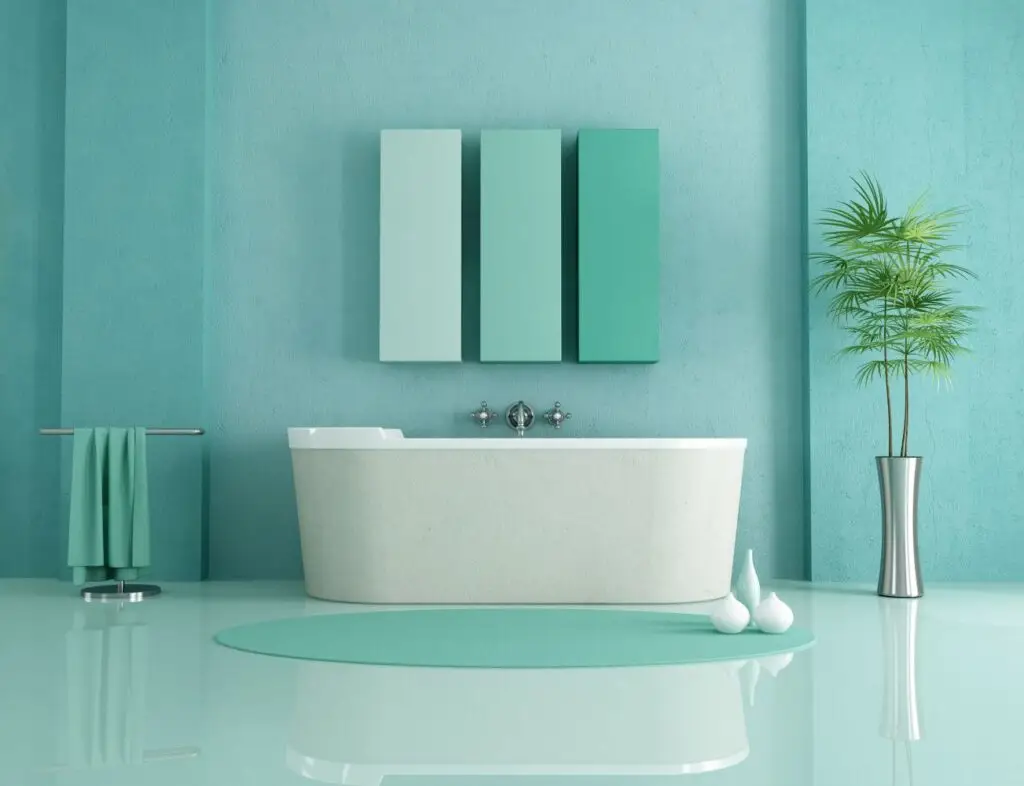
Low-VOC paints are a smart pick for bathroom walls because they give off fewer fumes, smell less, and can still fight mold and mildew when you choose the right formula. In a bathroom, paint has to do more than look good. It has to handle steam, splashes, and sticky air. If your bathroom feels like a mini rain forest after every shower, low-VOC paint with mildew blockers can help keep the walls cleaner and the air easier to breathe.
Why bathroom paint matters more than paint in other rooms
A bathroom is a tough little room. It gets hit with steam, water drops, soap mist, and sudden heat changes. Regular wall paint can wave the white flag pretty fast. It may peel, stain, or let mildew show up like an uninvited houseguest.
Low-VOC paints cut down on volatile organic compounds, often called VOCs. These are chemicals that can drift into the air as paint dries. A paint with lower VOCs usually has less odor. That matters in a bathroom where air can get trapped, especially if the fan is weak or the room has no window.
For families, guests, kids, and pets, fewer fumes can make the room more pleasant right after painting. You still need airflow and safe work habits, but low odor paint is often easier to live with during a remodel. Homeowners planning Bathroom Design or full Home Remodeling often look for finishes that balance cleaner indoor air with long-term durability.
What low-VOC really means
Paint labels can sound like alphabet soup. Low-VOC means the paint has a lower amount of certain airborne chemicals than older standard paints. Zero-VOC paints also exist, but color tints can add a small amount back in. So the final can may not be truly zero.
The big takeaway is simple. Lower VOC usually means less smell and fewer airborne chemicals while the paint cures. That does not mean weak paint. Many modern bathroom paint products are low-VOC and still hold up well against moisture.
When you shop, read the label for these clues:
- Low-VOC or zero-VOC base
- Mildew resistant coating
- Washable finish
- Made for baths, kitchens, or high-moisture rooms
- Easy soap-and-water cleanup
You can also compare product details with general indoor air information from the EPA. If the project includes updates beyond paint, services like Guest Bathroom Remodeling, Interior Painting, and Popcorn Ceiling Removal can affect how well the finished bathroom performs.
The real bathroom enemy, moisture
Steam is sneaky. It rolls over walls and ceilings, slips into corners, and sits there if the room cannot dry out. In Miami Beach, that problem gets bigger because outdoor humidity is already high. Your bathroom may never get a full break.
Heat and humidity work together like two pranksters. They push moisture into paint film, caulk lines, and drywall paper. If the fan is poor, mildew can start in corners, around trim, and above the shower.
What we usually see in Miami Beach, FL:
- Bathrooms with weak exhaust fans or no fan at all
- Ceiling peeling near the shower
- Mildew spots behind the door or above the toilet
- Paint failure in older condos near Collins Avenue
- Damp walls in homes closer to Biscayne Point after long humid weeks
That is why the best bathroom paint is not only about color. It is about moisture control, surface prep, and picking a finish that can take a punch. In many cases, related upgrades such as Leak Detection, Leak Repair, or Shower Valve Replacement may support a longer-lasting result.
Paint brands many homeowners look at for fewer fumes and mildew control
A lot of brands now offer low-VOC paints that work well in bathrooms. The trick is choosing the right product line, not just the brand name on the can. Brands people often check include Benjamin Moore, Sherwin-Williams, BEHR, and ECOS. Some lines from these brands are known for low odor and moisture resistance.
Here is a simple comparison:
| Brand | What people like | Bathroom use note |
|---|---|---|
| Benjamin Moore | Low odor options, smooth finish | Look for bath-friendly interior lines with mildew resistance |
| Sherwin-Williams | Wide color range, easy to find | Pick products marked for high-moisture rooms |
| BEHR | Popular at big box stores, easy cleanup | Check for mildew resistant paint in bath and kitchen lines |
| ECOS | Very low odor products | Good for odor-sensitive homes, still match it to bathroom use |
The can matters, but prep matters just as much. Even the strongest bathroom paint can fail if it goes over soap film, loose paint, or damp drywall. If the bathroom refresh also includes cabinetry or fixtures, homeowners sometimes pair paint updates with Built-In Cabinetry or Faucet Installation.
Best finishes for a bathroom
Flat paint can look nice, but bathrooms are not kind to it. It tends to grab moisture and is harder to wipe clean. In most bathrooms, a satin or semi-gloss finish makes more sense.
Here is the quick rule:
- Satin works well for most bathroom walls
- Semi-gloss works well for trim and areas that get extra splash
- Ceiling paint should be chosen for moisture resistance, not just looks
A lot of people ask if gloss is always better. Not quite. More shine can show wall flaws. If your walls have patches or old texture, satin often gives a nice middle ground. Pairing the right finish with updates like Tile Backsplash Installation or Tile Flooring Installation can help the room stay easier to clean.
Surface prep, where the battle is won
Paint is not magic. It needs a clean, solid wall. Skip prep, and you may be painting over trouble.
Before painting a bathroom:
- Clean off dust, soap film, and grime.
- Treat any mildew on the surface the right way.
- Let the room dry well.
- Scrape loose paint.
- Patch dents or damaged spots.
- Sand rough areas.
- Prime if stains, old glossy paint, or repairs are present.
A small safety note, never paint over active mildew and hope for the best. That is like putting a clean shirt over a muddy jersey. Fix the source first. For broader repair work, Stucco Repair, Water Heater Installation, or Emergency Plumbing may be part of the bigger picture when moisture problems spread beyond the paint surface.
If this is happening, here is what to do
- If paint peels near the shower, then check the exhaust fan and wall moisture before repainting.
- If you see black or gray specks in corners, then clean and treat the surface, then use mildew resistant paint.
- If the bathroom stays foggy long after showers, then improve ventilation first.
- If old paint smells strong for days, then switch to low-VOC paints next time and keep airflow going.
- If the ceiling stains keep coming back, then look for roof or plumbing leaks, not just paint failure.
- If walls feel chalky or slick, then clean and sand before primer and paint.
A few myths worth clearing up
Myth: Low-VOC paint cannot stand up to a bathroom.
Fact: Many low-VOC paints are made for wet rooms and hold up very well.
Myth: If a paint says mildew resistant, mildew can never show up.
Fact: Mildew resistant paint helps, but it cannot beat poor airflow or leaks on its own.
Myth: Any leftover wall paint will work in a bathroom.
Fact: Bathrooms need paint made for moisture and cleaning.
Myth: If the smell is mild, there is no need to ventilate.
Fact: Even low odor paint needs fresh air while it dries.
Why this matters in Miami Beach, FL
Miami Beach is sunny and salty, but bathrooms still take a beating indoors. Humidity hangs around. Air conditioning can help, yet bathrooms still trap steam fast. In older buildings near Ocean Drive or in condo towers with compact baths, airflow is often the weak link.
That local weather adds pressure on paint. Moisture can linger on walls longer than many homeowners think. If your bathroom already has worn caulk, poor fan power, or older drywall repairs, paint has to work harder.
Good paint helps. Good prep and ventilation help more. Local conditions in South Florida are also shaped by humidity patterns described by the Miami Beach, Florida reference. If your project has grown past cosmetic updates, Home Window Replacement, Impact Window Installation, or full Home Remodeling may be part of the solution.
How to make low-VOC bathroom paint last longer
A smart paint job is part product, part routine. Keep the room dry when you can.
Try these habits:
- Run the fan during showers and for a while after
- Wipe heavy water drops off walls or glass
- Keep the bathroom door open when possible
- Fix dripping shower heads and leaky valves
- Replace cracked caulk before water gets behind surfaces
- Clean walls gently so grime does not build up
Paint is like a raincoat. It works best when it is not asked to stop a flood every day. Maintenance items like Toilet Installation, Faucet Installation, and Pipe Replacement can also help cut down on moisture issues.
Weekly, monthly, yearly care plan
Weekly:
- Wipe down wet spots near the tub or shower
- Check corners for fresh mildew dots
- Let the room air out after steamy showers
Monthly:
- Clean painted walls with a mild cleaner and soft cloth
- Check caulk lines around the tub, sink, and shower
- Make sure the fan is working and venting well
Yearly:
- Inspect for peeling, staining, or soft drywall
- Touch up small problem spots before they spread
- Check for leaks around plumbing fixtures and the ceiling
Picking the right color without making the room feel smaller
This is where homeowners can overthink things. Light colors often help a bathroom feel cleaner and bigger. Soft white, pale gray, warm beige, and muted blue are common picks. If you want a darker color, use a good bathroom paint and make sure the lighting is strong enough.
A darker bathroom can look sharp. Still, dark walls in a small bath can show soap spots and moisture marks more easily. If your bathroom has little natural light, a lighter color may save you from that cave feeling. Some owners also coordinate color updates with Custom Cabinetry or Countertop Fabrication for a more complete look.
When paint alone will not fix the problem
Sometimes the wall is telling you a bigger story. If mildew keeps returning, paint is not the main issue. The room may need better ventilation, drywall repair, new tile backing, or a layout update.
That comes up a lot in bathroom remodeling Miami Beach projects. A homeowner starts with paint, then finds old water damage behind baseboards or a fan that barely moves air. At that point, new paint is like putting fresh tires on a car with a bad engine.
If your bathroom has any of these signs, look beyond paint:
- Soft drywall
- Bubbling tape joints
- Cracked caulk that keeps opening
- Musty smell that hangs around
- Repeated peeling in the same spot
- Poor layout that traps steam
In those situations, a broader plan that includes Bathroom Design, Guest Bathroom Remodeling, or Contact Us can help you move from repeated touch-ups to a more lasting fix.
FAQs
Are low-VOC paints safe for bathrooms?
Yes, many are a good fit for bathrooms. Pick one made for high-moisture rooms and keep the area ventilated while it dries.
How long does low odor paint smell last in a bathroom?
The smell is often milder and fades faster than older paint types, but drying time still depends on airflow, humidity, and the product used.
What finish is best for bathroom walls?
Satin is a strong choice for many bathrooms. Semi-gloss also works well, especially for trim and splash-prone spots.
Can low-VOC paints stop mold by themselves?
No. They can help resist mildew on the paint film, but they cannot fix leaks, trapped steam, or bad airflow.
Do I need primer in a bathroom?
Sometimes yes. Primer helps over repairs, stains, glossy old paint, or patched areas. It also helps the new coat stick better.
Can I paint over mildew stains?
Not until the mildew is cleaned and the source of moisture is fixed. If not, the problem may come right back.
Does Miami Beach weather affect bathroom paint?
Yes. High humidity can slow drying and keep walls damp longer, which puts more stress on paint and caulk.
How often should a bathroom be repainted?
It depends on use, ventilation, and prep quality. A well-painted bathroom with good airflow can look good for years, while a damp one may fail much sooner.
If your bathroom walls are peeling, smell musty, or just need a cleaner, longer-lasting finish, Mia Remodeling Contractors can help with bathroom updates that solve the real problem, not just cover it up. Our team serves Miami Beach, FL with remodeling work that can improve ventilation, repair damaged surfaces, and give your bathroom a fresh look with smart material choices. Call (954) 355-1520 or visit https://miaremodelingcontractors.com/ to get started. You can also Contact Us to discuss your project.