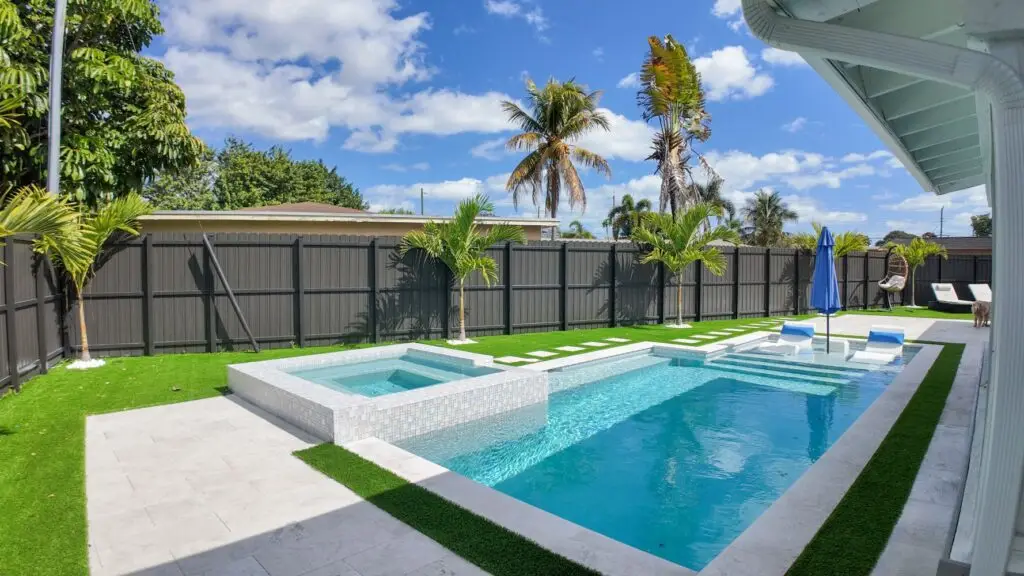
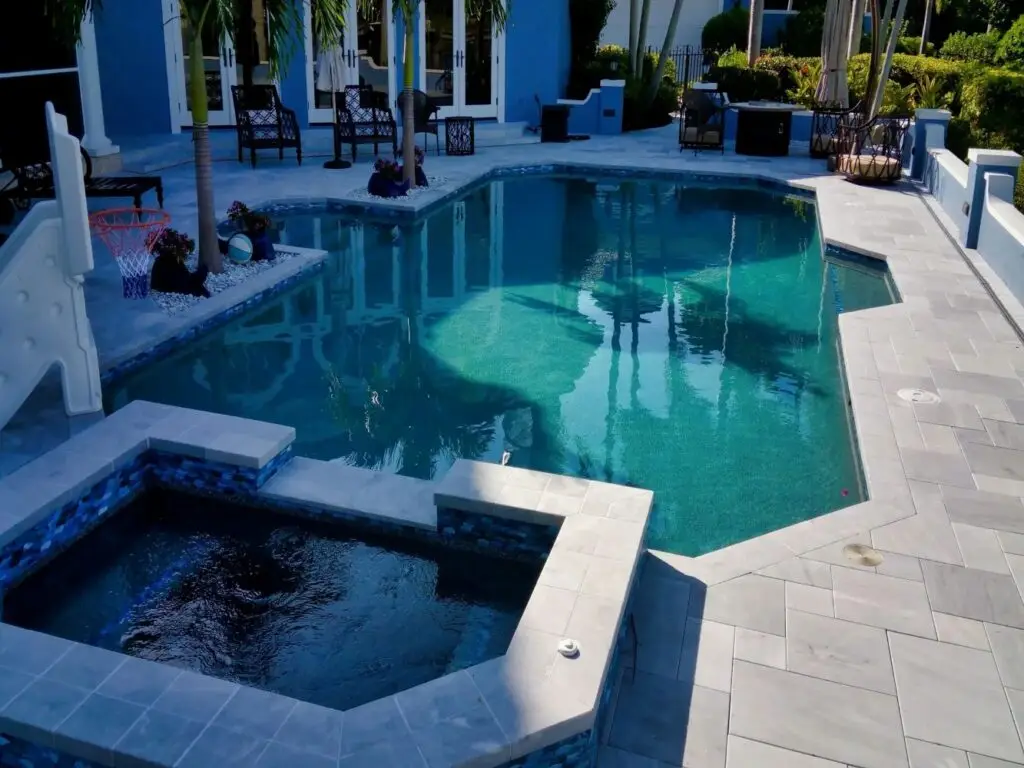
A pool resurfacing timeline usually takes about one to two weeks, though weather, repairs, and finish type can stretch it a bit. The main steps are drain-down, chipping out old plaster, surface prep, new surface application, curing, and refill. If you know what happens each week, the job feels less like a mystery and more like a game plan. No crystal ball needed, just a solid crew and a little patience.

Why pool resurfacing takes more than a day
A worn pool surface does not fix itself with wishful thinking and crossed fingers. Once plaster gets rough, stained, cracked, or starts flaking, the pool needs a new surface. That work has to happen in the right order. If a crew rushes it, the finish may not last like it should.
Think of it like painting a car. You would not slap fresh paint over rust and call it a win. A pool works the same way. The old material has to come off, the shell has to be cleaned and repaired, and the new coat has to cure the right way.
In Miami Beach, this matters even more. Heat, humidity, salt in the air, and hard sun can all affect timing. Rain can also throw a wrench in the plan. A surprise shower during surface work is about as welcome as a seagull at lunch. For related updates on pool resurfacing, broader Swimming Pool Renovation work, or to Contact Us, Mia Remodeling Contractors provides service information at https://miaremodelingcontractors.com/.
Signs your pool may need resurfacing soon
Before we get into the weekly timeline, it helps to know why people start this job in the first place.
You may need resurfacing if you notice:
- Rough spots that scrape feet or hands
- Stains that do not brush out
- Small cracks in the plaster
- Chips, pits, or flaking areas
- Waterline wear
- A surface that looks old, dull, or patchy
Plaster does not last forever. Pool owners near North Bay Road or around Venetian Islands often see surface wear after years of sun, pool chemicals, and regular use. In some cases, related improvements such as Pool Deck Remodeling, Pool Deck Resurfacing, or Pool Tile Replacement are discussed at the same time.
A simple week-by-week pool resurfacing timeline
Not every project follows the exact same calendar, but most jobs follow this path.
| Week | What happens | What you should expect |
|---|---|---|
| Week 1 | Drain-down, demolition, chip-out, inspection, repairs, prep | Noise, dust, short workdays if weather shifts |
| Week 2 | New finish applied, curing steps, refill, startup | Careful water balancing, no swimming right away |
Some jobs finish faster. Some take longer if the pool has damage under the old plaster.
Week 1, drain-down and removal of old plaster
The first step is draining the pool. Once the water is out, the crew can inspect the shell and old plaster up close. This is when hidden trouble can show itself. Tiny cracks may be no big deal. Larger hollow spots or bond issues can mean extra repair time.
Then comes the loud part, chipping out the old plaster. It is not a quiet job. If your pool could talk, it might say, “Well, this is rude.” The crew uses tools to remove the worn surface so the new finish can bond well.
During this stage, you may notice:
- Dust and noise
- Workers inside the empty pool
- Debris being hauled away
- The shell looking rough and uneven
This step matters a lot. A weak old surface under new plaster is bad news. It can lead to peeling or poor bonding later. Work that follows often connects with Pool Leak Repair, Pool Deck Repair, or full Swimming Pool Construction planning depending on what is found.
Safety note during drain-down
An empty pool is not a hangout spot. Keep kids and pets away from the work zone. The surface is rough, tools are active, and the shell can be slippery with dust.
What happens after the old surface is removed
Once the old plaster is chipped out, the shell gets cleaned. Any loose material, dust, and weak areas have to go. Then the crew checks for cracks, hollow spots, and areas that need patching.
This is the part many homeowners do not see coming. The pool may look worse before it looks better. That is normal. It is like tearing out old tile in a bathroom remodel. Mess first, progress second.
Repairs may include:
- Patching cracks
- Fixing bond beam issues
- Smoothing rough areas
- Preparing steps, benches, and corners
If the shell is in good shape, this part moves fast. If hidden damage shows up, the timeline may stretch. Homeowners comparing broader remodeling services can also review Home Remodeling, finish details for Outdoor Tile Installation, or exterior work like Patio Pavers.
What we usually see in Miami Beach, FL
Pools in Miami Beach often deal with a few repeat trouble spots:
- Surface wear from strong sun and long swim seasons
- Moisture and humidity that can slow cure times
- Rain delays, mostly in wetter months
- Salt-air wear on nearby pool parts and finishes
- More staining near waterlines from heavy use
At condos, older homes, and waterfront properties, crews often find a mix of age, weather wear, and past patch jobs. Local conditions in coastal areas can be shaped by climate patterns described by the National Weather Service and the city background available on Wikipedia.
Week 2, final prep and new surface application
Once repairs are done, the shell gets its final prep. The surface must be clean and ready for the new finish. Then the new plaster or finish goes on.
This is the exciting part. The pool starts to look like a pool again.
The application day is carefully timed. Crews mix and apply the material in sections so it goes on evenly. They work fast but not sloppy. Good application takes skill, timing, and teamwork.
Right after the finish is applied, the pool is often started on a refill. The water usually goes in without stopping until it reaches the proper mark. Stopping the refill can leave a ring or uneven mark on fresh plaster. Some owners also compare options like Pool Resurfacing, Swimming Pool Installation, or Travertine Pool Deck Installation while planning finish upgrades.
Why timing matters so much on plaster day
Plaster day is not a “we will wing it” kind of day. Heat can make materials set faster. Rain can interrupt surface work. Humidity can change how things dry and cure. That is why experienced crews watch the forecast closely.
In Miami Beach, afternoon rain can pop up fast. A clear morning can turn cloudy before you know it. Good scheduling helps avoid trouble.
The refill and startup phase
Once the new coat is on, the refill begins. The fresh surface is still delicate. Water chemistry matters right away.
After refill, the startup phase begins. This includes brushing the new surface and balancing pool water. The goal is to help the finish cure well and avoid scale, streaks, or plaster dust.
Expect these early steps:
- Continuous refill
- Water chemistry checks
- Brushing the surface
- Pump and filter startup
- A short wait before swimming
If you are itching to cannonball in, pump the brakes. Fresh plaster needs a little time. Jumping in too soon is like walking on wet concrete and saying, “Looks fine to me.” It is not worth it. Owners may also look into surrounding upgrades such as Pool & Deck Installation, Pool Cover Installation, or Backyard Remodel.
What can slow down a pool resurfacing process
Even a smooth project can hit small bumps. A few things can affect the schedule:
Weather
Rain can delay chip-out, prep, or surface application. High humidity can affect dry times. Heat can speed up some steps, which sounds nice until it causes curing issues.
Hidden repairs
Old pools can hide cracks or weak spots under the plaster. Once exposed, those need fixing before the new finish goes on.
Finish type
Some finishes need more cure care than others. Your contractor will explain what your pool needs.
Access
Tight yards, narrow side paths, or condo rules can affect how crews move tools and material in and out.
If this happens, do this
- If your pool has rough plaster but no leaks, then plan an inspection soon before the surface gets worse.
- If you see stains only, then ask if cleaning or treatment can help before full resurfacing.
- If plaster is chipping or flaking, then stop putting off the job, the surface is past its prime.
- If rain is in the forecast for surface day, then expect a schedule shift.
- If the pool shell has cracks after chip-out, then repairs come first, new plaster comes second.
- If fresh plaster looks dusty at first, then do not panic, startup brushing often handles that.
- If water filling has started, then do not stop the hose unless your contractor says it is okay.
Common mix-ups homeowners hear all the time
Myth: Resurfacing is just a cosmetic job.
Fact: It also protects the shell and gives swimmers a smooth, safe surface.
Myth: The whole job takes only a day or two.
Fact: Some steps move fast, but prep, repair, cure time, and startup need time.
Myth: Any dry week is fine for plaster work.
Fact: Heat, humidity, and sudden rain all matter.
Myth: You can swim right after refill.
Fact: The surface and water chemistry need a little time first.
How to care for a new pool surface after resurfacing
A new finish needs some simple care. Treat it well early on, and it has a better shot at lasting longer.
Weekly
- Brush the pool walls and floor as directed
- Check water chemistry
- Empty baskets and keep water moving
Monthly
- Inspect the surface for stains or rough spots
- Look at tile line buildup
- Watch for changes in water balance
Yearly
- Have the pool system checked
- Review the surface condition
- Fix minor issues before they turn into major repairs
Good water chemistry is your best friend here. Bad chemistry is like a slow leak in your wallet. You may not notice it at first, but it adds up. Related long-term property upkeep may also include Exterior Painting Services, Screen Enclosure, or Outdoor Kitchens & Islands improvements around the pool area.
How weather affects your resurfaced pool
Miami Beach weather is great for swimming. It is not always easy on pool finishes.
Hot sun can dry surfaces fast during work and can make water evaporate faster after startup. Humidity can affect curing and cleanup. Rain can delay application days and can mess with fresh finishes if timing is poor. Cooler days are usually easier to manage, though South Florida does not stay chilly for long.
If your pool sits near open breeze paths or close to the water, salt in the air can also affect nearby materials. That does not mean panic. It just means the job should be planned with local weather in mind.
How long should homeowners plan to be without the pool
Most people should expect about one to two weeks from drain to refill and startup, sometimes longer if repairs show up or weather gets in the way. If you are planning around guests, family visits, or rental use, give yourself extra room on the calendar.
That extra cushion saves stress. A project calendar should not be packed tighter than a sardine can.
FAQs
How long does pool resurfacing take from start to finish?
Most jobs take about one to two weeks. Repairs, weather, and finish type can make it longer.
What happens first during pool resurfacing?
The pool is drained first. Then the old plaster is chipped out so the shell can be inspected and repaired.
Can rain delay pool resurfacing in Miami Beach?
Yes. Rain can delay prep and application days. Sudden showers are common, so scheduling matters.
Is pool resurfacing loud?
Yes, the chip-out stage can be noisy. That part usually lasts a short time, but you will hear it.
When can you swim after pool resurfacing?
Not right away. The pool needs refill time, startup care, and proper water balancing first.
Does resurfacing fix cracks in the pool?
It can fix surface cracks and some shell issues found during prep. Larger structural trouble needs proper repair before the new finish goes on.
What if my pool only has stains?
Some stains can be treated without full resurfacing. If the surface is rough, pitted, or flaking too, resurfacing may be the better fix.
Is resurfacing worth it for an older pool?
Yes, if the shell is sound and the surface is worn out. A new finish can make the pool smoother, cleaner-looking, and easier to maintain.
If your pool surface is rough, stained, or wearing out, Mia Remodeling Contractors can help with pool resurfacing and remodeling work in Miami Beach, FL. Our team handles the process with care, keeps the job moving, and helps you get a pool that looks better and feels better to use. Call (954) 355-1520 or visit https://miaremodelingcontractors.com/ to get started. You can also explore Pool Resurfacing, Swimming Pool Renovation, or Contact Us for next steps.