
Hiring Guide / Florida Licensing
General Contractor vs Handyman in Florida: Who Should You Hire?
How Florida licensing, the $2,500 exemption, permits and trade rules decide who can legally handle your project.
Hire a handyman in Florida for isolated cosmetic maintenance and minor, unregulated repairs. Hire a licensed general contractor for substantial remodeling, structural changes, additions, permitted construction or any project that coordinates multiple trades.
For standalone plumbing, electrical, HVAC, roofing or pool work, you may need a contractor licensed for that specific trade rather than a handyman or a general contractor working alone. The important distinction is not the title printed on a business card. It is the exact work being performed, whether Florida requires a license for that work, whether the person holds the correct active license, whether a permit is required and who is contractually responsible for the project.
Choose a handyman for small cosmetic jobs such as painting, hanging shelves, replacing door hardware or patching limited drywall. Choose a licensed general contractor for kitchen remodeling, bathroom remodeling, additions, structural work and multi-trade renovations. The word on the sign does not decide the question. The work, the license and the permit do.
Hire a handyman when
- The task is minor, cosmetic and unregulated
- No permit or trade license is required
- The job stands alone rather than being part of a larger project
- Examples: touch-up painting, shelving, cabinet hardware, small drywall patches
Hire a general contractor when
- The project needs permits and inspections
- Structural or multi-trade work is involved
- Plumbing, electrical or HVAC must be coordinated
- Examples: full kitchen or bathroom remodels, additions, whole-home renovation
General contractor vs handyman at a glance
| Factor | Florida general contractor | Handyman |
|---|---|---|
| State contractor license | Required | No separate statewide handyman license |
| Typical work | Remodeling, additions, structural work, construction management | Minor maintenance and unregulated cosmetic work |
| Project size | Large and small projects within license scope | Normally small, limited tasks |
| Structural work | May perform and supervise within scope | Not unless appropriately licensed |
| Permit-required contracting | Can obtain permits within scope | Cannot act as a licensed contractor for regulated work |
| Plumbing, electrical, HVAC | Must subcontract unless separately licensed | Cannot perform licensed trade work |
| Multiple subcontractors | Can coordinate and supervise | Not acting as a general contractor unless licensed |
| Insurance expectations | License, liability and workers compensation rules apply | Coverage varies; homeowner should verify |
| Best for | Remodels, additions and complex projects | Small repair and maintenance lists |
What is a general contractor in Florida?
Florida law defines a general contractor as a contractor whose services are not limited by the type of construction work undertaken under Part I of Chapter 489, subject to specific statutory restrictions. A Florida Certified General Contractor commonly uses a license number beginning with CGC. Within that scope a general contractor may:
- Contract for complete construction projects
- Manage home renovations and coordinate multiple subcontractors
- Perform or supervise structural work
- Apply for permits within the license scope and schedule required inspections
- Manage demolition and construction and oversee code compliance
- Coordinate plans and design professionals
- Take contractual responsibility for the overall project
Florida also licenses building contractors and residential contractors with narrower scopes. A Certified General Contractor has the broadest construction scope among these three categories, as described in Florida Statutes Section 489.105.
Can a Florida general contractor do plumbing or electrical work?
A general contractor license does not automatically authorize the contractor to personally perform every regulated trade. Florida law generally requires a general, building or residential contractor to subcontract electrical work, mechanical work, plumbing, roofing, sheet-metal work, swimming-pool work and air-conditioning work. The contractor may perform a regulated trade only when the contractor or qualifying business also holds the appropriate license for that trade or a specific statutory exception applies, as outlined in Florida Statutes Section 489.113.
For example, a general contractor managing a kitchen remodel may coordinate the project, but licensed plumbing and electrical subcontractors normally complete the regulated trade work. Ask the contractor to identify the general contractor license, the plumbing contractor, the electrical contractor, the HVAC contractor if applicable, which company will obtain each permit and who is responsible for each inspection.
What is a handyman in Florida?
Handyman is a business description, not a specific Florida contractor-license category. A person using the word handyman might be an unlicensed individual performing unregulated minor services, an employee of a licensed contractor, a licensed general, building or residential contractor, a licensed specialty contractor, or someone illegally advertising or performing regulated construction. The word itself does not establish what the individual can legally do; the work scope and license status matter.
Some companies include handyman in their business name while operating under a valid contractor license. Other businesses may hold only a Business Tax Receipt, which is not a contractor license. Florida law expressly states that a Business Tax Receipt is not a contractor license, in Florida Statutes Section 489.127.
Does Florida have a handyman license?
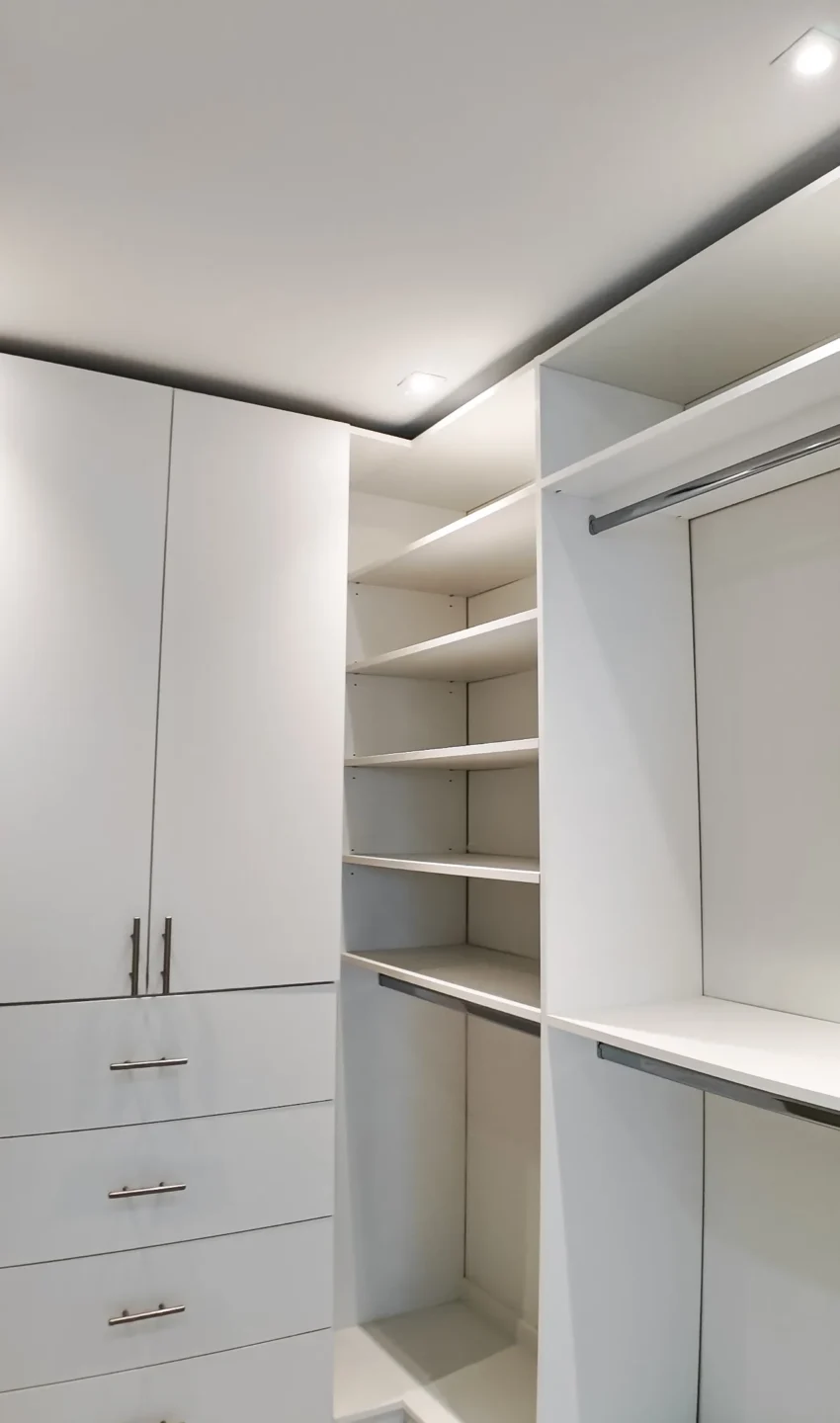
Florida does not issue a separate statewide license titled handyman license. Florida law identifies certain job scopes for which state or local contractor licensing may not be required, including painting, flooring, cabinetry, pressure washing, caulking, plastering, certain decorative tile or stone installation, handyman services and interior remodeling that does not include a task requiring a state license.
This provision does not allow an unlicensed person to perform regulated plumbing, electrical, structural, HVAC, roofing or other licensed contracting work simply by calling it handyman service. It also does not remove building-code, permit, zoning or business-registration requirements that may apply to a project, as described in Florida Statutes Section 489.117.
Understanding Florida's $2,500 handyman exemption
Florida Statutes Section 489.103 contains an exemption for work that is casual, minor or inconsequential in nature and less than $2,500 in aggregate contract price, including labor, materials and all other items. Both conditions matter. A $2,400 project is not automatically exempt simply because it is below the dollar threshold; the work must also be casual, minor or inconsequential.
The exemption does not apply when the work is part of a larger or major project, when a larger project is divided into smaller contracts to avoid licensing, when the person advertises as a contractor, when the person represents that they are qualified to perform licensed contracting, when another law requires a specific trade license, or when the project exceeds the exemption limit. The statute says the price must be less than $2,500, so a project totaling exactly $2,500 does not meet the less-than language, per Florida Statutes Section 489.103(9).
Is every handyman project limited to $2,500?
Not necessarily. This is where many Florida handyman explanations become inaccurate. Florida law separately identifies job scopes that do not substantially correspond to a state-licensed contractor category. Painting, flooring, cabinetry and certain other unregulated services may fall under Section 489.117 rather than relying solely on the minor-work exemption in Section 489.103. The proper analysis is:
- Does the work fall within a state-regulated contractor or trade category?
- If not, it may be an unregulated scope for contractor-licensing purposes.
- If it falls within regulated contracting, does a specific exemption apply?
- Does the local building department require a permit?
- Does the person have the appropriate qualifications, insurance and business registration?
The $2,500 provision should not be treated as permission to perform electrical, plumbing, structural or other regulated work. When the scope is uncertain, submit a written description to the local building department or DBPR instead of relying on an advertisement or a verbal assurance.
What work can a handyman usually do in Florida?
Subject to the exact scope, property and local requirements, a handyman may be appropriate for tasks such as hanging pictures and mirrors, installing shelves, assembling furniture, replacing cabinet knobs and pulls, replacing door handles, adjusting interior doors, minor caulking, weatherstripping, small drywall patches, touch-up and interior painting, installing curtain rods, replacing removable closet accessories, pressure washing, minor cosmetic maintenance and installing non-electrical decorative accessories.
These examples assume the work does not involve regulated systems, structural changes, asbestos, lead-related requirements or a permit that changes who may legally perform the work.
When should you hire a general contractor?
A licensed general contractor is normally the better choice when a project includes complete kitchen or bathroom remodeling, home additions, room additions, garage conversions, structural wall removal, new wall construction, major interior demolition, whole-home renovation, significant exterior remodeling, multiple regulated trades, plans prepared by an architect or engineer, building permits and inspections, construction scheduling and subcontractor coordination, or work affecting a condo's common or structural components. A general contractor provides a central point of responsibility for the complete construction scope.

Task-by-task hiring guide
| Project | Who should you contact? |
|---|---|
| Hang shelves or artwork | Handyman |
| Assemble furniture | Handyman |
| Replace cabinet hardware | Handyman |
| Patch a small drywall hole | Handyman |
| Paint a bedroom | Handyman or painting company |
| Install flooring without regulated work | Flooring installer or qualified handyman |
| Replace cabinets in the same configuration | Cabinet installer, handyman or contractor depending on scope |
| Move cabinets and relocate utilities | Licensed contractor plus licensed trades |
| Replace or relocate plumbing | Licensed plumbing contractor |
| Add or modify electrical wiring or outlets | Licensed electrical contractor |
| Install or modify air conditioning | Licensed HVAC contractor |
| Repair or replace a roof | Properly licensed roofing contractor |
| Remove a structural wall | Licensed general contractor with required design professionals |
| Remodel an entire bathroom or kitchen | Licensed general, building or residential contractor plus licensed trades |
| Build a home addition | Licensed general, building or residential contractor |
| Remodel a condominium | Licensed contractor experienced with condo approvals |
| Remodel a swimming pool | Properly licensed pool contractor |
A permit does not always mean a general contractor is required. A licensed specialty contractor may be sufficient for a standalone trade project. For example, a licensed plumber may obtain a plumbing permit for a qualifying plumbing-only project. A general contractor is most useful when multiple construction disciplines must be coordinated.
Can a handyman remodel a bathroom or kitchen?
An unlicensed handyman should not contract for a complete bathroom or kitchen remodel that includes regulated building, plumbing or electrical work. A bathroom remodel frequently includes tub or shower replacement, shower-pan construction, waterproofing, drain modifications, new plumbing valves, fixture relocation, electrical outlets, lighting, exhaust ventilation, wall modifications and required permits and inspections. A kitchen remodel often adds demolition, layout changes, plumbing relocation, electrical modifications, appliance circuits, ventilation changes and structural work.
Some isolated cosmetic components may be unregulated, such as painting or replacing cabinet hardware. That does not make the entire renovation a handyman project, and the work cannot be divided into separate small invoices to avoid contractor licensing. The statutory minor-work exemption specifically excludes artificial division of a larger operation. Replacing cabinets in the same configuration may be treated differently from reconfiguring an entire kitchen, so the complete scope should be reviewed, not just the cabinet installation.
The same caution applies to individual trades. Electrical work is regulated, so do not assume that a low price, an existing electrical box or a simple-looking fixture makes the work unregulated. Plumbing is regulated too; fixture replacement can involve water-supply, drainage, venting, sealing and code requirements. Tightening hardware is not the same as contracting to replace a plumbing or electrical fixture.
Do not pull an owner-builder permit for a handyman
A common warning sign is an unlicensed person asking the homeowner to obtain an owner-builder permit while the unlicensed person operates as the contractor. Under Florida's owner-builder exemption, the owner becomes the responsible party and must provide direct onsite supervision. The owner cannot hire an unlicensed person to act as the contractor or delegate supervision to someone who lacks the appropriate license.
The statutory owner-builder disclosure warns homeowners about financial responsibility, direct supervision requirements, employment obligations, workers compensation exposure, liability for jobsite injuries, verifying every required trade license, and permit and code compliance. An owner-builder permit is not a legal method for an unlicensed contractor to manage a remodeling project.
What about Florida's new $7,500 permit exemption?
As of July 1, 2026, Florida law requires local governments to exempt certain work valued at $7,500 or less on qualifying single-family residential property outside flood-hazard areas. The exemption excludes electrical work, plumbing, structural work, mechanical work and gas work. The law concerns building-permit requirements. It does not automatically expand a handyman's contractor license or allow an unlicensed person to perform regulated trade work.
Do not confuse two separate questions. Permit exemption asks whether a project-specific permit is required. Contractor licensing asks whether the person offering the work must hold a particular professional license. These are governed by different rules, and the change came from Florida HB 803.
What happens if you hire an unlicensed contractor?
Hiring an unlicensed person for work requiring a contractor license can lead to stop-work orders, code-enforcement action, permit problems, after-the-fact permits, additional inspections, opening completed walls or floors, corrective construction, project delays, disputes over payment, questions during a property sale, jobsite liability concerns and limited regulatory remedies.
Florida law states that a contract entered into by a contractor who lacks the license required for the contracted scope is unenforceable by that unlicensed contractor. The statute also clarifies that a person is not considered unlicensed when no state license is required for the work, per Florida Statutes Section 489.128. This distinction is another reason to determine the actual legal scope before work begins.
How to verify a Florida contractor license
Use Florida's official DBPR verification portal at MyFloridaLicense. Do not rely only on a photograph of a license or a number printed on a business card. Search by license number, individual name, business name or city, then review the license category, current status, expiration date, licensee name, qualified business, related licenses and any public complaint or disciplinary information.
The business signing the contract should be properly connected to the qualifying license. A contractor cannot simply borrow another person's license number. A certified contractor has qualified for a state license and can generally work throughout Florida within scope, subject to local registration and permitting. A registered contractor is authorized to contract only in the jurisdictions and categories covered by the registration, so check both the license type and the area of work.
Insurance and contract essentials
Whether hiring a contractor or a handyman, request appropriate insurance documentation for the proposed work. Depending on the business and project, this may include general liability insurance, property-damage coverage, workers compensation coverage or exemption documentation, commercial auto insurance, condo-required coverage and additional-insured endorsements. A certificate of insurance should come from the agent or carrier and identify current policy dates. Insurance does not expand a person's legal work scope; a person can be insured yet still lack the required contractor license.
A written remodeling agreement should identify the legal business name, contractor license number, property address, detailed scope, plans and specifications, material allowances, exclusions, permit responsibility, subcontractor responsibilities, payment schedule, estimated schedule, change-order procedure, cleanup and debris removal, inspection requirements, warranty, cancellation terms, dispute provisions and final completion requirements. Payments should correspond to identifiable milestones, and you should avoid paying the full contract price before work begins.
Contractor and handyman red flags
- Refuses to provide a license number or provides only a Business Tax Receipt
- Uses a license belonging to an unrelated business or has another contractor pull the permit
- Says permits are unnecessary without checking, or asks the homeowner to pull the permit
- Suggests dividing the project into smaller invoices
- Requests cash-only payment or a disproportionately large deposit
- Refuses to provide a written contract or insurance documentation
- Demands final payment before final inspections
- Advertises licensed services without an active matching license
- Cannot identify the licensed plumbing or electrical subcontractors
Miami-Dade County recommends obtaining more than one estimate, verifying contractor qualifications and confirming that permits and inspections are completed.
Frequently asked questions
What is the difference between a general contractor and a handyman in Florida?
A general contractor holds a state contractor license and can contract for substantial construction within that scope. A handyman generally performs small maintenance, cosmetic or unregulated tasks.
Does Florida require a handyman license?
Florida does not issue a specific statewide handyman license. The person may still need a contractor or trade license depending on the exact work being offered.
Is a handyman limited to projects under $2,500?
Florida has a less-than-$2,500 exemption for work that is casual, minor or inconsequential. Florida also recognizes separate unregulated job scopes, so the correct rule depends on the work, not the handyman title alone.
Can a handyman split a $6,000 project into smaller contracts?
No. Florida's minor-work exemption does not apply when a larger project is divided into smaller contracts to avoid licensing requirements.
Can a handyman remodel a kitchen or bathroom?
A handyman may complete isolated cosmetic tasks. A full renovation involving demolition, plumbing, electrical work, walls or multiple trades should be handled by appropriately licensed contractors.
Can a handyman perform plumbing or electrical work in Florida?
Licensed plumbing and electrical work must be completed by appropriately licensed trade contractors. The cost of the job does not automatically remove that requirement.
Can a handyman remove a wall?
Wall removal may affect structure, fire resistance, utilities or permitted building layouts. Have the wall evaluated by a licensed contractor and, when necessary, an architect or engineer.
Does a general contractor need licensed subcontractors?
Yes. Florida generally requires general contractors to subcontract plumbing, electrical, mechanical, roofing and other regulated trades unless the contractor holds the corresponding license or an exception applies.
Can I pull the permit for an unlicensed handyman?
An owner-builder permit does not authorize an unlicensed handyman to act as your contractor. The homeowner assumes direct supervision and significant legal responsibilities.
Is an occupational license proof of a contractor license?
No. A Business Tax Receipt or occupational license is not a Florida contractor license.
Should I hire a handyman or general contractor for a condo renovation?
Use a licensed contractor for a significant condo renovation. Condos commonly require permits, association approval, insurance documentation and coordination with regulated trades.
Plan your South Florida remodel with a licensed contractor
MIA Remodeling Contractors provides permitted home remodeling, kitchen remodeling, bathroom remodeling, condo remodeling and home additions throughout Miami-Dade, Broward and Palm Beach counties, coordinating every licensed trade under one responsible contractor.
Florida general-contractor license CGC1535875. Serving Miami-Dade, Broward and Palm Beach counties.