
Kitchen Remodeling / Permits
Do You Need a Permit to Remodel a Kitchen in Florida?
Which cabinet, plumbing, electrical, structural and mechanical improvements require permits, plus Florida's new 2026 small-project exemption.
You generally need a permit to remodel a kitchen in Florida when the project changes plumbing, electrical wiring, gas piping, mechanical ventilation, structural walls or other systems regulated by the Florida Building Code.
You may not need a building permit for limited cosmetic work such as painting or replacing cabinets in the same configuration without altering utilities, but exemptions vary by property type, project value and local jurisdiction. Because permits are administered by county and municipal building departments, confirm requirements with the authority responsible for the property before ordering materials or beginning demolition.
Regulated electrical, plumbing, gas, mechanical or structural work needs a permit. Cosmetic work may be exempt. Florida also added a limited exemption effective July 1, 2026 for qualifying work under $7,500 on certain single-family properties, but it is not automatic and does not cover any trade work. The safest sequence is to finalize the scope, confirm the jurisdiction, receive the permit or written exemption, then begin.
Quick permit guide
| Kitchen remodeling work | Permit usually required? |
|---|---|
| Interior painting | Usually no |
| Replacing cabinet doors or hardware | Usually no |
| Cabinet refacing | Usually no |
| Replacing cabinets in the same configuration | May be exempt; confirm locally |
| Replacing countertops without plumbing changes | Often no building permit; confirm locally |
| Moving the kitchen sink or adding a second sink | Yes |
| Relocating the dishwasher | Usually yes when plumbing or electrical changes |
| Adding or relocating outlets, or new circuits | Yes |
| Installing new recessed lighting | Electrical permit commonly required |
| Removing or modifying a wall | Yes |
| Installing a beam | Yes, with structural documentation as required |
| Moving a gas range or relocating gas piping | Yes |
| Creating a new exterior range-hood vent | Mechanical or building approval may be required |
| Replacing flooring (finish only) | Often no building permit |
| Changing the kitchen layout | Usually, if plumbing, electrical, gas or walls change |
| Remodeling a condo kitchen | Commonly requires building approval and may require permits |
This table is general guidance. The local building official makes the final determination.
The statewide rule
Florida law generally requires a permit before constructing, altering, modifying, repairing or demolishing a building. Section 553.79 of the Florida Statutes states that regulated work requires a permit from the appropriate enforcing agency, which may also inspect the project and revoke a permit when the work does not conform to the Florida Building Code. The state establishes the code framework, but local governments administer most residential permits. The correct department, a city or county building department or a consolidated permitting authority, is determined by the property address, not the contractor's address.
The important 2026 Florida permit exemption
Effective July 1, 2026, Florida law requires local governments to provide a limited building-permit exemption for certain work on qualifying single-family properties. It generally applies when the property contains a single-family dwelling, the work is valued at less than $7,500, the property is not in a defined flood-hazard area, the work does not include electrical, plumbing, structural, mechanical or gas work, the project is not divided into smaller contracts to avoid permits, and a written exemption request with documentation is submitted. The enacted bill is Chapter 2026-63.
What the exemption does not do
- It is not automatic; a written request is required
- It does not cover electrical, plumbing, structural, mechanical or gas work
- It does not apply to condos, apartments or commercial kitchens
- It does not apply inside mapped flood-hazard areas
A practical example
- A qualifying cabinet-only replacement might receive an exemption
- The same project would not qualify if it moved outlets
- Or relocated the sink
- Or modified a structural wall
Because much of South Florida lies within mapped flood-hazard areas, verify the property status before relying on the exemption.
Do you need a permit to replace kitchen cabinets?
It depends on whether the project changes the layout or regulated systems. Miami-Dade County lists residential cabinet replacement in the same configuration as work not regulated by the Florida Building Code, but associated plumbing, ventilation or electrical work requires permits when it is relocated or altered. A replacement is more likely to be exempt when the new cabinets use the same layout, no wall is altered, the sink stays put, existing outlets are unchanged and no gas or mechanical work is performed. A permit is more likely required when the sink moves to an island, new appliances need circuits, outlets are added, a wall is opened, the hood gets a new exterior duct or gas piping is installed. Replacing cabinets in the same position does not authorize unpermitted trade work hidden behind them.
Do you need a permit to replace countertops?
A countertop-only replacement may not require a building permit when the cabinets remain in place, the sink and faucet stay in the same locations, no plumbing is altered, outlets are not moved and the jurisdiction treats it as a finish replacement. Requirements can change when the project adds a relocated sink, a new island, a new cooktop, island receptacles, waterfall panels requiring floor or wall modification, or gas piping. Heavy stone should also be evaluated for proper cabinet and substrate support even when a permit is not required.
Plumbing work that commonly requires a permit
Kitchen plumbing work commonly includes moving a sink, adding a prep sink, relocating a dishwasher, adding a pot filler, installing an island sink, changing water or drain piping, moving refrigerator water lines, altering vents and installing or changing gas piping. A sink relocation involves more than extending two water lines, drain slope, pipe sizing, venting and access must be evaluated, and island plumbing is especially complex because the drain and venting must be designed for the new location. Work should remain exposed until required rough inspections are approved.
Electrical work that commonly requires a permit
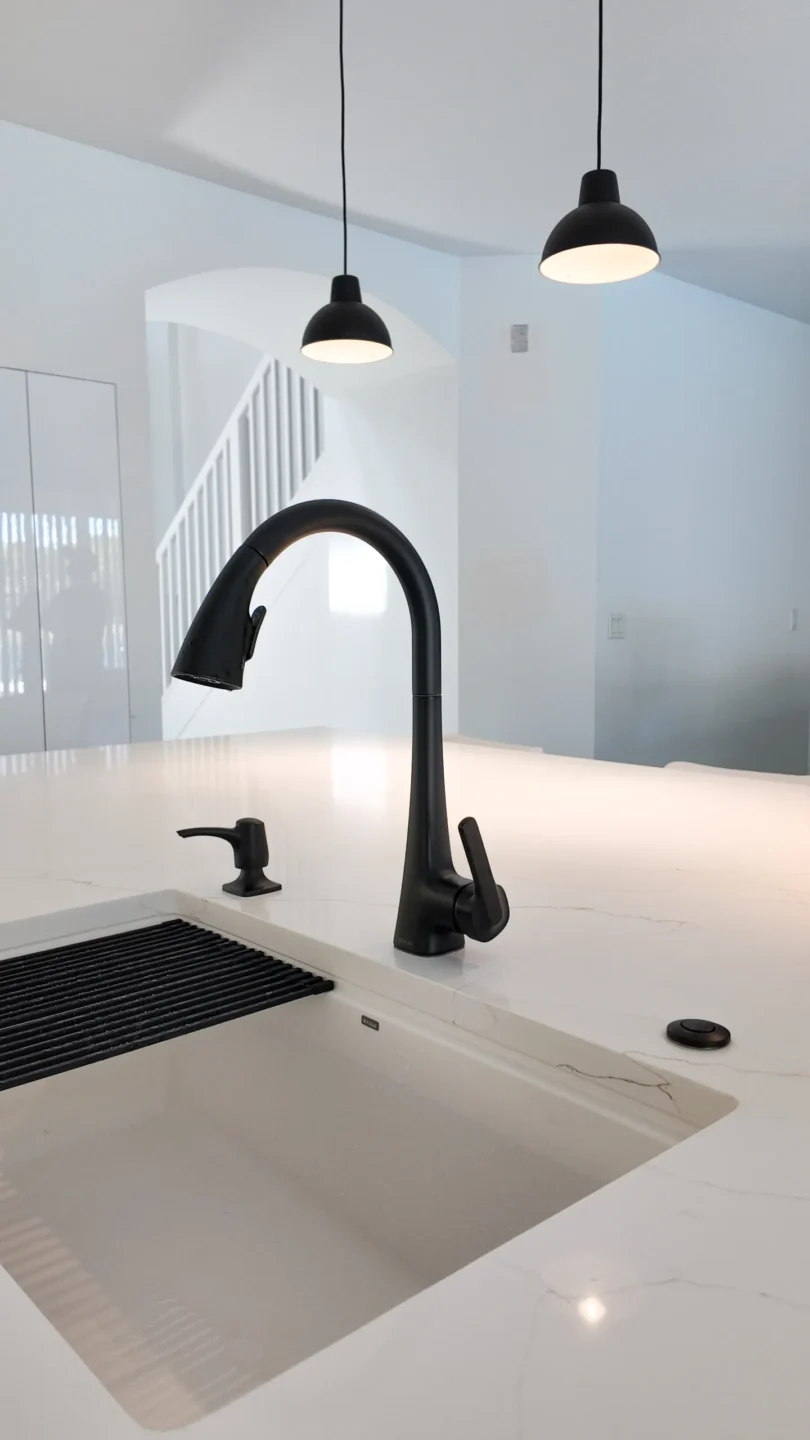
An electrical permit is commonly required when a kitchen remodel includes new or relocated receptacles, new lighting, recessed or under-cabinet lights, new appliance circuits, island or peninsula power, range or oven connections, dishwasher or disposal wiring, panel modifications or wiring concealed inside walls. Miami-Dade County states that an electrical permit is required so the work can be inspected for safety and code compliance. A modern kitchen can have different electrical requirements from an older one, and opening the walls may reveal wiring that cannot simply be reused. Do not allow a cabinet installer or handyman to perform electrical work outside their license.
Structural work that requires a permit
Structural kitchen remodeling can include removing a load-bearing wall, widening an opening, installing a beam, adding posts, modifying roof or floor framing, cutting structural concrete or altering exterior walls. A wall should not be assumed non-load-bearing based on its thickness or direction, and it may also contain plumbing, wiring, ducts, gas piping, fire assemblies or condo utilities. Structural work may require signed and sealed drawings from a Florida-licensed architect or engineer.
Range-hood and ventilation permits
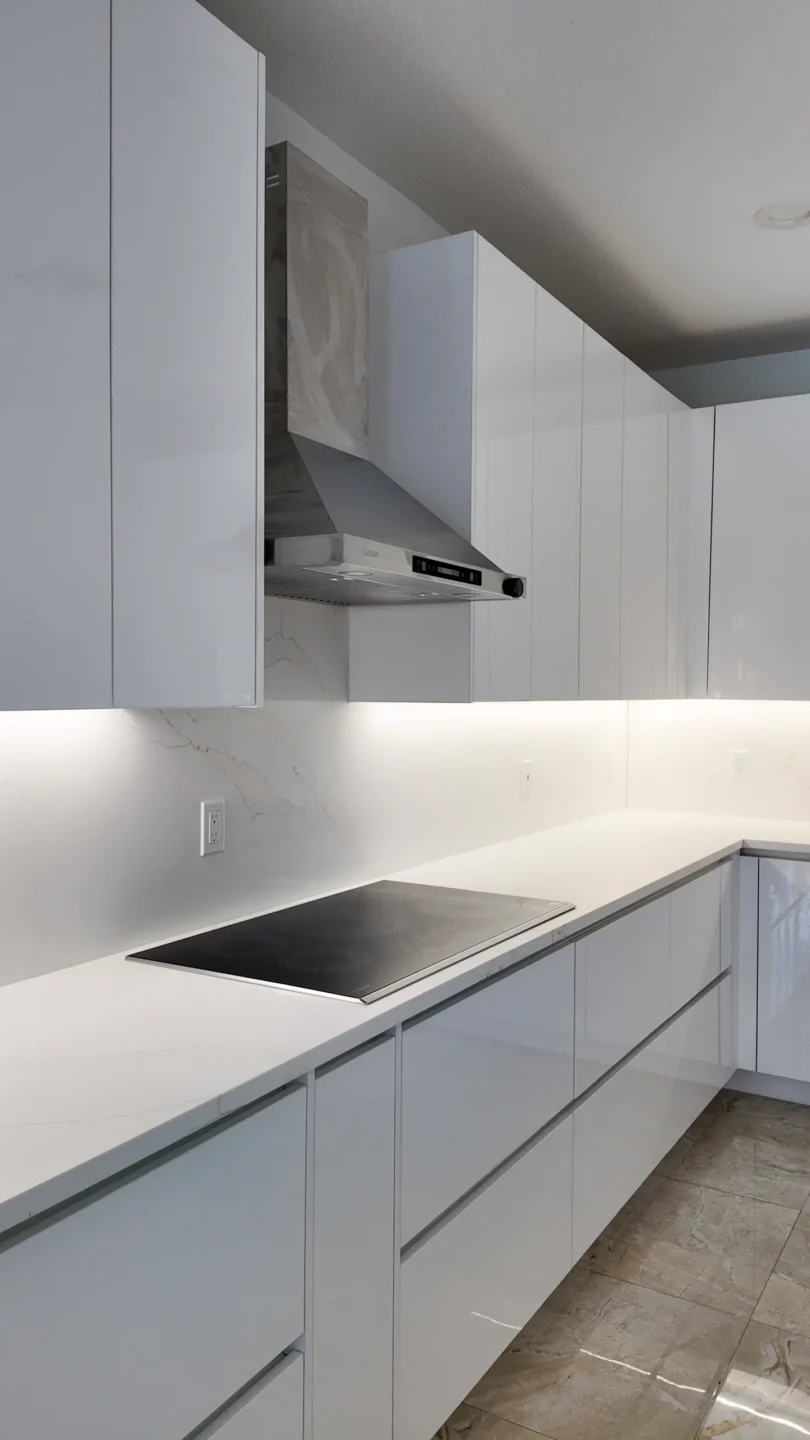
Installing a recirculating hood may differ from creating a new duct through the roof or exterior wall. A new exterior exhaust route can involve mechanical requirements, roof or wall penetrations, fire-resistance considerations, exterior alterations, condo approval, makeup-air evaluation and clearances from openings. In a condo, a new exterior penetration may be prohibited even when the owner is willing to obtain a permit. Confirm the permitted exhaust route before buying a professional-style range or oversized hood.
Gas range changes
Moving, replacing or converting a gas cooking appliance may involve gas piping, shutoff valves, pressure testing, combustion-safety requirements, appliance clearances, ventilation, electrical ignition and a final inspection. Gas work should be completed under the correct permit by a properly qualified contractor. Do not assume that swapping one gas appliance for another is only an appliance-delivery service.
What types of permits might be required?
A substantial kitchen remodel can involve several permits or trade sub-permits: a building permit for structural work, walls, openings and overall scope; an electrical permit for wiring, lighting, outlets, circuits, appliances and panel work; a plumbing permit for supplies, drains, vents, fixtures and certain appliance connections; a mechanical permit for exhaust ventilation, ductwork or air-conditioning changes; and a gas permit for gas piping and appliance connections. These may be coordinated under a master renovation permit or issued separately, depending on the jurisdiction.
Kitchen remodels in Florida condos
A condo kitchen remodel can require both government permits and association approval, and these are separate processes. A condo association may request the scope of work, architectural drawings, engineering, contractor license, certificate of insurance, permit copies, product specifications, a work schedule, elevator reservation, common-area protection, a debris-removal plan, a plumbing shutdown request and neighbor notification. The building department evaluates code compliance while the association evaluates the project under the condominium documents, and approval from one does not replace the other. Condo owners should also avoid cutting or drilling concrete until the slab and building systems have been evaluated, since some buildings contain post-tensioned components or shared utilities.
Who can pull a kitchen remodeling permit?
Depending on the project and jurisdiction, a permit may be obtained by a properly licensed contractor, a licensed trade contractor, a qualifying owner-builder or an authorized agent where permitted. Trade sub-permits may need to be pulled by contractors holding the appropriate qualifications. Florida DBPR explains that each construction business must be qualified by a properly licensed individual and provides an online license-verification service. Some finish work such as cabinets, countertops, flooring and painting may not require a state contractor license, although local requirements may still apply. Florida also allows limited owner-builder exemptions, but an owner-builder can become responsible for permit applications, code compliance, hiring qualified trades, scheduling inspections, safety, correcting failed work and closing the permit. An owner-builder exemption should not be used to help an unlicensed contractor avoid licensing.
How to check whether your kitchen needs a permit
Identify the jurisdiction
Confirm whether the property is in an incorporated city, unincorporated county or a special jurisdiction. A Miami mailing address does not mean the county issues the permit.
Write a complete scope
List every change: cabinets, countertops, flooring, walls, sink location, appliances, lighting, outlets, hood and duct, gas piping and HVAC components.
Mark existing and proposed layouts
A simple plan showing what remains and what moves helps the department classify the work.
Ask for a written determination
Provide the scope to the building department and ask which permits or exemptions apply, then keep the response.
Submit an exemption request if eligible
For qualifying 2026 single-family projects under the threshold, submit the written request and documentation, do not rely on your own interpretation.
Verify licenses and get association approval
Verify the contractor through the DBPR portal, and complete any HOA or condo approval before construction.
A substantial application may require a permit application, existing and proposed floor plans, cabinet layout, electrical, plumbing and mechanical plans, structural drawings, product approvals, energy documentation, condo authorization and a Notice of Commencement. Potential inspections include demolition, framing, rough electrical, plumbing and mechanical, a gas pressure test, and final inspections. Do not cover walls, piping or wiring before required inspections.
What happens if you remodel without a permit?
Possible consequences include a stop-work order, fines, increased permit fees, required demolition, opening finished walls, delayed inspections, a code-enforcement case, insurance complications and problems during a future sale. The building department may require concealed electrical, plumbing or structural work to be exposed so it can be inspected, and obtaining an after-the-fact permit does not guarantee the existing work will be accepted. A sale may still be possible with unpermitted work, but it can create issues during buyer inspections, permit searches, appraisal, insurance underwriting, lender review and seller disclosures, and the current owner may become responsible for resolving work completed by a previous owner. A permit and inspections check applicable minimum code requirements; they do not guarantee workmanship, design or on-time completion, so you still need a detailed contract, verified licenses, clear specifications and a final walkthrough.
Common permit mistakes
- Asking whether a "kitchen remodel" needs a permit instead of giving the actual scope, which can range from painting to removing structural walls.
- Assuming a low project price makes all work exempt, since trade work stays outside the 2026 small-project exemption.
- Splitting the project into smaller contracts, which the 2026 exemption does not allow.
- Assuming a cabinet exemption covers electrical work such as moving outlets or wiring appliances.
- Starting demolition while the permit is under review, or closing walls before inspections.
- Confusing HOA approval with a permit, as they serve different purposes.
Frequently asked questions
Do you need a permit to remodel a kitchen in Florida?
Yes, when the project includes regulated electrical, plumbing, structural, mechanical or gas work. Limited cosmetic work may be exempt depending on the property, value and jurisdiction.
Can I replace kitchen cabinets without a permit?
Possibly. Same-configuration cabinet replacement without utility or structural changes may be exempt in some jurisdictions. Confirm with the local building department.
Does Florida's $7,500 exemption apply to every kitchen remodel?
No. It is limited to qualifying single-family property, excludes certain flood-hazard properties and does not cover electrical, plumbing, structural, mechanical or gas work. A written request is required.
Does the exemption apply to condos?
No. The 2026 small-project exemption applies to qualifying single-family dwellings, not condominium units.
Do I need a permit to move a kitchen sink?
Yes. Plumbing relocation generally requires permitting and inspection.
Do I need a permit to add a kitchen island?
The cabinet itself may not, but electrical receptacles, plumbing, gas or structural work associated with the island may require permits.
Do I need a permit for recessed kitchen lights?
New lighting and wiring generally require an electrical permit.
Does a new range hood require a permit?
It may when the work creates or modifies ductwork, electrical service, gas systems or an exterior penetration.
Can a handyman remodel a kitchen in Florida?
A handyman may perform limited unregulated cosmetic work, but licensed electrical, plumbing, structural, mechanical and gas work must be handled by appropriately qualified professionals.
Who is responsible for closing the permit?
The permit holder must coordinate required inspections and final approvals. Verify that all permits are closed before making final payment.
Plan a permitted South Florida kitchen remodel
MIA Remodeling Contractors provides kitchen remodeling across Miami-Dade, Broward and Palm Beach counties, including cabinetry, countertops, plumbing coordination, electrical improvements, lighting, layout changes and complete renovations, planned around the correct permits and inspections.
Florida general-contractor license CGC1535875. Serving Miami-Dade, Broward and Palm Beach counties.