
Home Remodeling / Planning
Home Renovation vs Remodeling: What Is the Difference?
Scope, cost, permits, design, timelines and real examples, so you can tell which project you are actually planning.
A home renovation updates or restores an existing space without fundamentally changing its purpose or layout. Remodeling changes how the space is designed, configured or used. The words are often used interchangeably in advertising, but the distinction matters when you estimate costs, prepare plans, choose contractors and determine permits.
For example, replacing old cabinets, countertops and flooring while keeping the same kitchen layout is generally a renovation, while removing a wall, moving the sink and building a new island is a remodel. Retiling a bathroom and replacing fixtures in the same locations is a renovation, while converting a tub into a walk-in shower and relocating the toilet is a remodel. The project's actual scope, not the word someone uses, determines its requirements.
Renovation keeps the layout and improves condition, appearance and finishes. Remodeling changes the layout, structure, function or systems. Renovation is usually lower cost, lower risk and faster; remodeling is usually higher cost, higher risk and longer because it affects more building systems. The building department judges the construction, not the marketing label.
Renovation vs remodeling at a glance
| Project factor | Home renovation | Home remodeling |
|---|---|---|
| Primary goal | Update, restore or replace | Reconfigure, transform or change function |
| Existing layout | Usually retained | Frequently changed |
| Structural work | Limited or none | May include wall and structural changes |
| Plumbing locations | Commonly remain the same | May be relocated |
| Electrical work | Fixture or device updates | New circuits and relocated components |
| Plans | May require limited documentation | More likely to need detailed plans |
| Permits | Depends on regulated work | More commonly required |
| Construction risk | Usually lower | Higher due to demolition and hidden conditions |
| Cost | Commonly lower for the same room | Commonly higher because more systems are affected |
| Timeline | Often shorter | Usually longer |
| Best for | Updating a functional space | Correcting an unsuitable layout or function |
What is a home renovation?
A renovation improves the condition, appearance or performance of an existing space while retaining its basic purpose and configuration. Common renovation work includes repainting walls, replacing flooring, refacing or replacing cabinets, installing new countertops, replacing bathroom tile, updating plumbing fixtures, installing new light fixtures, refinishing wood floors, replacing interior doors, repairing drywall, updating appliances and installing new trim or molding.
A renovation can be simple or extensive. A whole-home renovation may replace nearly every finish and fixture without significantly changing the floor plan. The central idea is preservation and improvement rather than major spatial transformation.
What is home remodeling?
Remodeling changes the layout, structure, function or systems of a home. Common remodeling work includes removing or relocating walls, creating an open-concept kitchen, moving plumbing fixtures, converting a bedroom into a bathroom, combining two rooms, reconfiguring a primary suite, converting a garage into living space, adding a kitchen island with utilities, expanding a bathroom, relocating doors or windows, building a room addition and adding a second story.
A remodel often requires more design, demolition and coordination among licensed trades. The project may affect structural, electrical, plumbing, mechanical and fire-safety components, and those impacts make early planning more important.

Renovation, remodeling, repair, restoration and more
Homeowners encounter several overlapping construction terms. Renovation renews or updates an existing space and may include finish replacement, system upgrades or limited layout changes. Remodeling changes the form, layout or function of a space. Repair returns a damaged or deteriorated component to sound condition, such as patching drywall, fixing a leaking pipe or replacing rotten framing. The Florida Building Code has historically distinguished repairs from alterations, and the exact classification must be determined under the code currently adopted for the project.
Restoration returns a property or feature closer to an earlier condition and is common for historic homes, such as repairing original wood windows or restoring terrazzo flooring. An addition increases the enclosed floor area or volume, such as a new bedroom or a second story. Reconstruction rebuilds a damaged, removed or substantially altered part of a structure, often after fire, flooding or extensive demolition. These terms overlap, and a single project might include repair, renovation, remodeling and an addition.
Kitchen renovation vs kitchen remodel
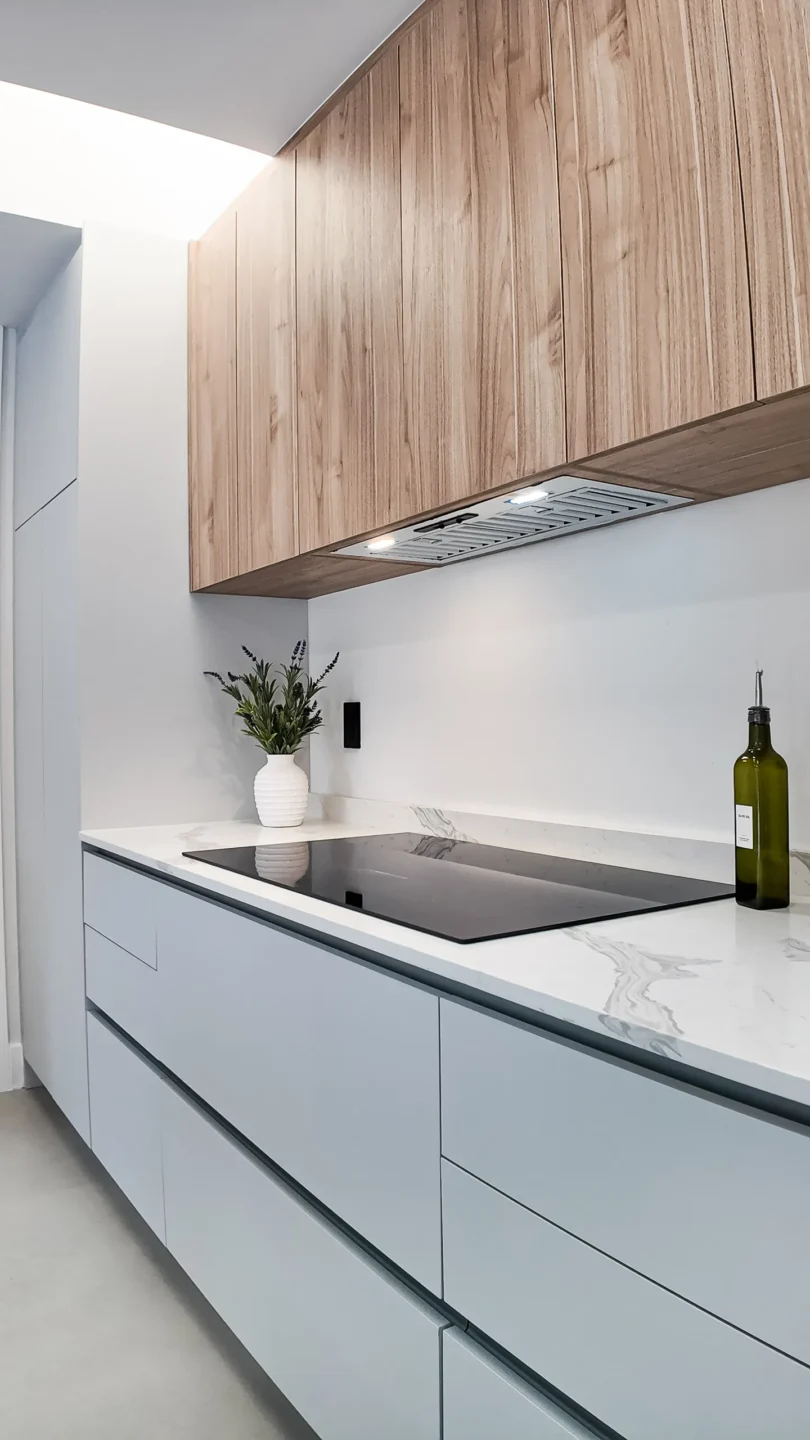
A kitchen renovation may include new cabinets in the existing configuration, new countertops, a new backsplash, new flooring, updated appliances, a new sink and faucet in the same location, new decorative lighting and interior painting. The kitchen's traffic pattern and utility locations stay substantially the same.
A kitchen remodel may include removing a wall, changing the kitchen shape, relocating the sink, moving appliances, building an island with plumbing or electricity, adding a walk-in pantry, expanding into an adjacent room, installing new circuits, changing doors or windows and modifying ventilation. The remodel changes how the kitchen functions, not only how it looks.
Bathroom renovation vs bathroom remodel
A bathroom renovation may include a new vanity in the same location, a replacement countertop, new tile, updated fixtures, a new mirror, replacement lighting, interior painting and bathtub refinishing. A bathroom remodel may include a tub-to-shower conversion, curbless shower construction, toilet relocation, double-vanity installation, enlarging the bathroom, moving the entrance, adding a freestanding tub, relocating plumbing, changing ventilation and removing or building walls. Even when the room remains a bathroom, relocating fixtures or changing its configuration makes the project more accurately described as remodeling.
Whole-home renovation vs whole-home remodel
A whole-home renovation updates multiple rooms while keeping the general floor plan, and may include new flooring throughout, complete interior painting, new cabinets and countertops, bathroom finish replacement, new fixtures and appliances, door and trim replacement, lighting updates, impact-window replacement and HVAC replacement.
A whole-home remodel may include reconfiguring the floor plan, removing several walls, moving kitchens and bathrooms, creating a larger primary suite, converting unused rooms, changing ceiling heights, replacing complete plumbing and electrical systems, adding living space and rebuilding major portions of the interior. A whole-home remodel is usually more complex because changes in one room affect surrounding spaces and building systems.
Is renovation cheaper than remodeling?
Renovation is often less expensive because it retains the existing layout and reduces structural and utility changes. However, renovation is not automatically inexpensive. A high-end renovation with custom cabinetry, natural stone, premium appliances and detailed millwork can cost more than a modest remodel using standard finishes.
The price depends on project size, material quality, existing conditions, plumbing and electrical work, structural changes, custom fabrication, permit requirements, property access, required repairs and temporary protection. Typical renovation cost drivers include finish quality, cabinet and countertop selection, tile quantity, fixtures, surface preparation and repairs discovered after removal. Typical remodeling cost drivers include architectural and engineering plans, demolition, structural work, temporary supports, plumbing relocation, new circuits, HVAC modifications, permit fees, inspections and a longer construction period. Compare contractors using a detailed written scope rather than a price-per-square-foot figure alone.
Is renovation faster than remodeling?
Renovation is generally faster when it involves surface replacement and limited trade work. Remodeling commonly takes longer because it can require existing-condition investigation, design, architectural or engineering plans, association approval when applicable, permit review, structural and utility demolition, rough trade work, multiple inspections, wall and ceiling reconstruction and finish installation. Material lead times can affect either project, so custom cabinets, specialty doors, stone fabrication and imported tile should be selected early. Do not judge the schedule using only active construction; include design, approvals, material procurement and permit closeout.
Do renovations and remodels require permits?
A renovation does not become permit-exempt simply because the layout stays the same. Permits may be required when the work includes concealed plumbing, electrical wiring, new circuits, HVAC equipment, window or exterior-door replacement, structural repairs, roofing, gas work, fire-protection components or significant demolition. Minor decorative work such as interior painting may be exempt. Miami-Dade County requires permits for regulated building, electrical, plumbing and mechanical alterations, while certain surface treatments may be exempt, and exemptions and processes differ by municipality.
Most substantial remodeling projects require one or more permits, which may include a master building permit, an interior-demolition permit, plumbing, electrical, mechanical, gas, roofing and window and door permits, a fire-system permit, zoning approval, floodplain review and environmental review. Miami-Dade identifies new construction, remodeling, renovation, additions, demolition and layout or structural changes among projects that may require a master permit, with separate trade permits also possible. The contractor should confirm permit responsibilities in writing before construction.
The project name does not determine the permit
This is one of the most important points for homeowners. A contractor might call a project a renovation, remodel, refresh, makeover, upgrade, improvement or rehabilitation, but the building department evaluates the construction being performed, not the marketing term. A proposal titled bathroom renovation may still require plumbing, electrical and building permits if it relocates the shower and changes the wiring. Ask the contractor to identify the exact demolition, layout changes, structural changes, plumbing, electrical and mechanical work, required permits and inspections, and any work excluded from the proposal. A detailed scope protects the homeowner better than the project label.
Which project needs architectural plans?
A basic finish renovation may not require full architectural drawings, while a remodeling project is more likely to need detailed plans. Plans may be required when the work affects walls, structure, room layout, egress, plumbing locations, electrical design, HVAC systems, fire-rated construction, exterior openings, additions or floodplain compliance. A permit package may include an existing floor plan, demolition plan, proposed floor plan, reflected ceiling plan, electrical, plumbing and mechanical plans, structural details, product specifications and engineering calculations. More complex projects may require drawings digitally signed and sealed by a Florida-licensed architect or engineer.
Do renovation and remodeling use different contractors?
The appropriate contractor depends on the scope. A finish-only project may involve specialized installers or trade contractors, while a multi-room remodeling project generally benefits from a licensed general contractor who can coordinate demolition, framing, plumbing, electrical, HVAC, drywall, waterproofing, cabinets, tile, flooring, painting, permits and inspections. Verify that each contractor is licensed for the work being performed, and remember that a handyman should not perform regulated contracting work outside their lawful scope.
South Florida factors that affect both projects
Local conditions shape both renovations and remodels. Materials must tolerate humidity and moisture, so waterproofing, ventilation and substrate preparation should come before decorative finishes. Hurricane and wind requirements mean exterior windows, doors, roofing and structural work may require approved products and installation details. A major project in a flood hazard area may require additional review, and projects approaching a substantial-improvement threshold should be evaluated before documents are finalized.
Older properties may contain aging cast-iron drainage or water lines that should be investigated before installing new floors and cabinets. New kitchens, HVAC equipment and high-demand appliances can exceed the capacity of an older electrical panel or service. Past unpermitted work such as garage conversions may not match approved records and can delay a project until resolved. Finally, a condo or HOA may require association approval even when part of the work is permit-exempt, with flooring, plumbing, work hours and contractor insurance being common concerns.
Renovation vs remodeling decision checklist
Choose renovation when
- The layout functions well and plumbing locations are practical
- Structural changes are unnecessary
- The main problem is worn or outdated finishes
- The project must be completed relatively quickly
- Existing systems remain serviceable
Choose remodeling when
- The layout does not work or rooms feel too small
- Plumbing fixtures need to move
- Storage or accessibility needs have changed
- A kitchen must open into another room or a bathroom must grow
- Existing systems require major replacement or you need more space
Can renovation turn into remodeling?
Yes. A project can change after demolition reveals structural damage, plumbing deterioration, unsafe wiring, water intrusion, termite damage, improper previous construction, missing waterproofing or unpermitted changes. A homeowner might also decide that replacing finishes without correcting the layout is not a good long-term investment. To manage this, the contract should explain how hidden conditions are documented, who determines corrective work, how change orders are priced, whether additional plans are required, who submits permit revisions and how schedule changes are handled.
Planning a renovation and planning a remodel
A renovation follows a finish-focused path, while a remodel begins with the functional problem and the building systems.
Renovation: document and define
Photograph existing conditions, note items to retain, then select cabinets, countertops, flooring, tile, fixtures, appliances and paint.
Renovation: inspect and permit
Do not cover failing plumbing or electrical with new finishes, and provide the complete scope to the correct building department.
Renovation: order, protect and close
Order long-lead materials, establish dust barriers and protection, then complete the work and close all permits.
Remodel: define the problem
Explain what does not work about the existing home before choosing finishes.
Remodel: investigate and design
Confirm which walls, utilities and components can change, then compare multiple layouts.
Remodel: budget and plan
Set a complete budget with design, permits, temporary housing, allowances and contingency, and prepare coordinated architectural and trade plans.
Remodel: approve, build and close
Complete HOA, condo, zoning and government reviews, procure materials, build to the approved plans and verify final permit closeout.
Frequently asked questions
Are renovation and remodeling the same thing?
They are related but not identical. Renovation generally updates or restores an existing space, while remodeling changes its layout, structure or use.
Is replacing kitchen cabinets a renovation or remodel?
Replacing cabinets in the same layout is usually a renovation. Changing the layout, moving appliances or altering walls is remodeling.
Is painting considered renovation?
Painting is a decorative improvement that can be part of a renovation, though painting alone is often described as maintenance or an update.
Is a tub-to-shower conversion a renovation or remodel?
It is generally a remodel because the bathing configuration, waterproofing and plumbing components change.
Is removing a wall a renovation or remodel?
Removing a wall is remodeling because it changes the configuration of the space and may involve structural work.
Is a whole-house renovation the same as a gut remodel?
Not necessarily. A whole-house renovation may update finishes throughout while keeping the layout. A gut remodel removes significant interior construction and may reconfigure the house.
Which costs more, renovation or remodeling?
Remodeling generally costs more for the same space because of added demolition, design, structural work and trade coordination. High-end materials can still make a renovation more expensive than a modest remodel.
Does renovation or remodeling increase home value?
Both can. Updated kitchens, bathrooms, flooring and systems improve marketability, and a well-designed remodel can add value by correcting a poor layout. Overly personalized or overbuilt work may not recover its full cost.
Can I renovate without a contractor?
Some decorative projects may be completed by an owner. Regulated construction and trade work should be performed under the appropriate licenses and permits.
What is a cosmetic renovation?
A cosmetic renovation updates visible finishes without significantly changing walls, plumbing, electrical systems or room functions.
Should I renovate or move?
Renovation may be worthwhile if the location works and the home can meet your needs at a reasonable total cost. Moving may be stronger when the property cannot provide the required space, layout or neighborhood.
Plan your South Florida home transformation
Whether your project is technically a renovation or a remodel, MIA Remodeling Contractors provides kitchen, bathroom and whole-house home remodeling and additions across Miami-Dade, Broward and Palm Beach counties, with in-house design planning, permit coordination and construction under one general contractor.
Florida general-contractor license CGC1535875. Serving Miami-Dade, Broward and Palm Beach counties.